How Community Cafes Become the Spiritual Utopia for City People? Click to read English version
几年间,社区咖啡店在深圳各角落悄然生长起来,或保留着上世纪老房子的样貌,或藏在高楼建筑环绕的村巷深处。乍听,这类空间在深圳这座城市如同飞地,走进后却发现它们并不孤立违和,反而拉近了人与社区、人与城市之间的距离。
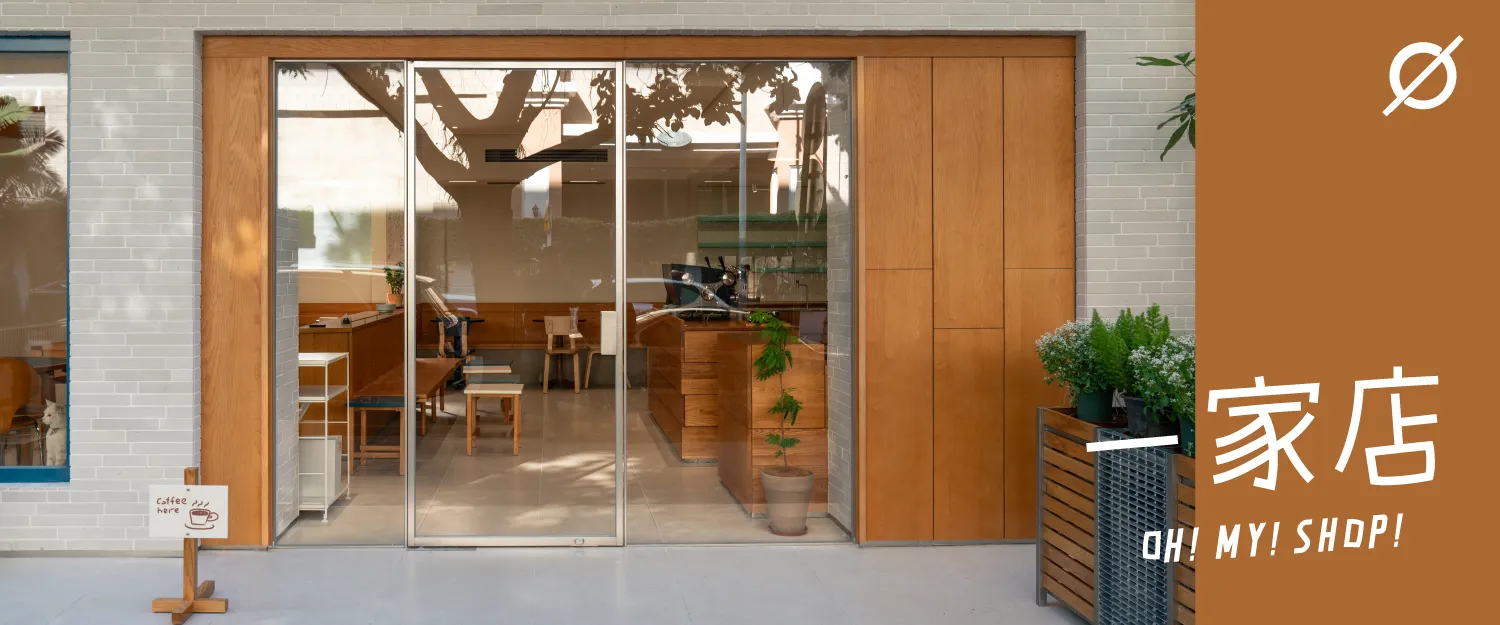
本期一家店,我们找到了空间设计师华熙,聊聊他是如何理解社区咖啡店,又是如何设计改造它们的。

每家店,都有一个关键词
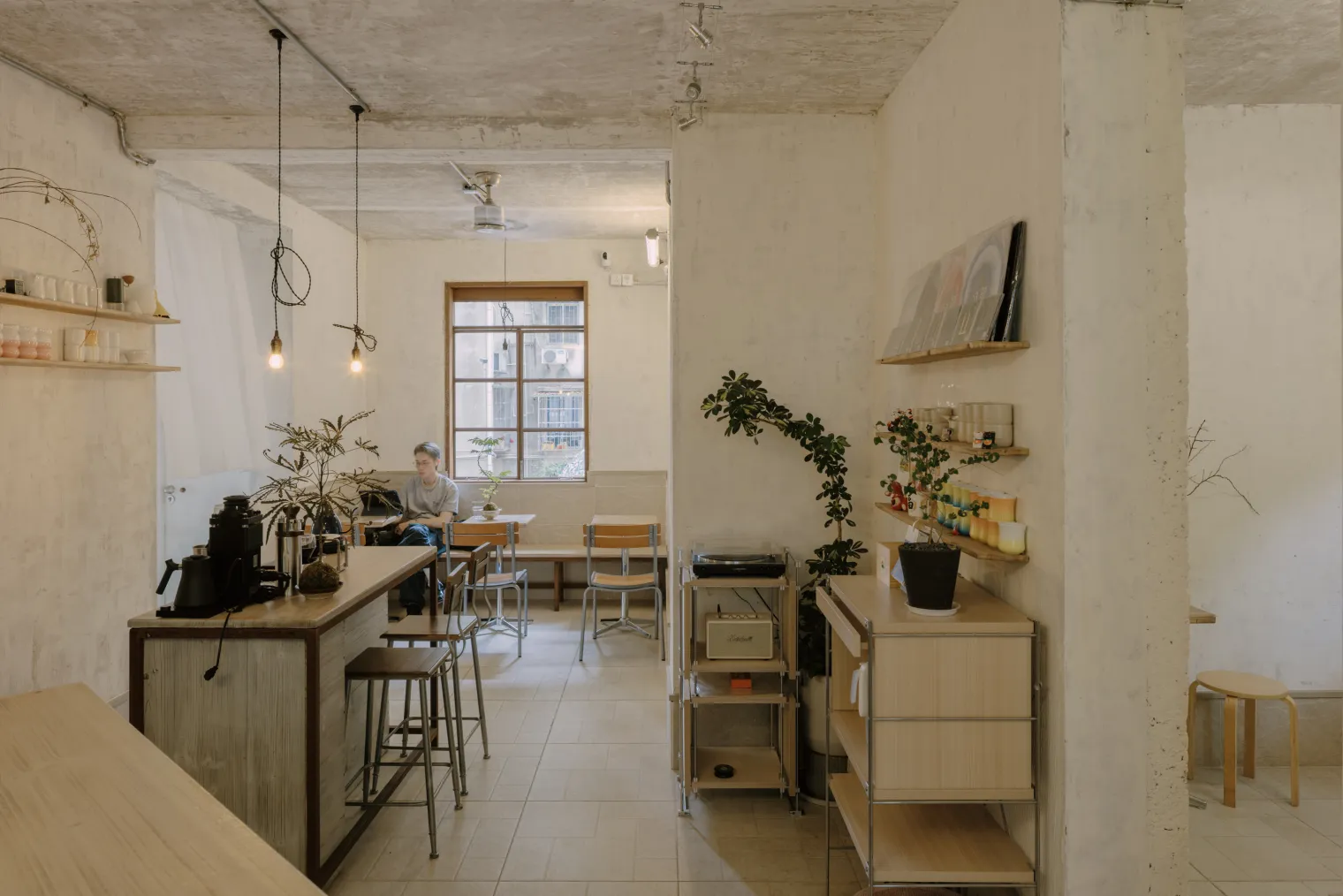
从intro coffee到Livingroom Coffee客厅、MORELIFE COFFEE、平静角落、有待发现咖啡社,细看华熙设计的这几家社区咖啡店,虽然没有宏大概念或是夺目造型,但自带天然的流量,人们因咖啡慕名而来,更因其舒适自然的用餐氛围成为常客。
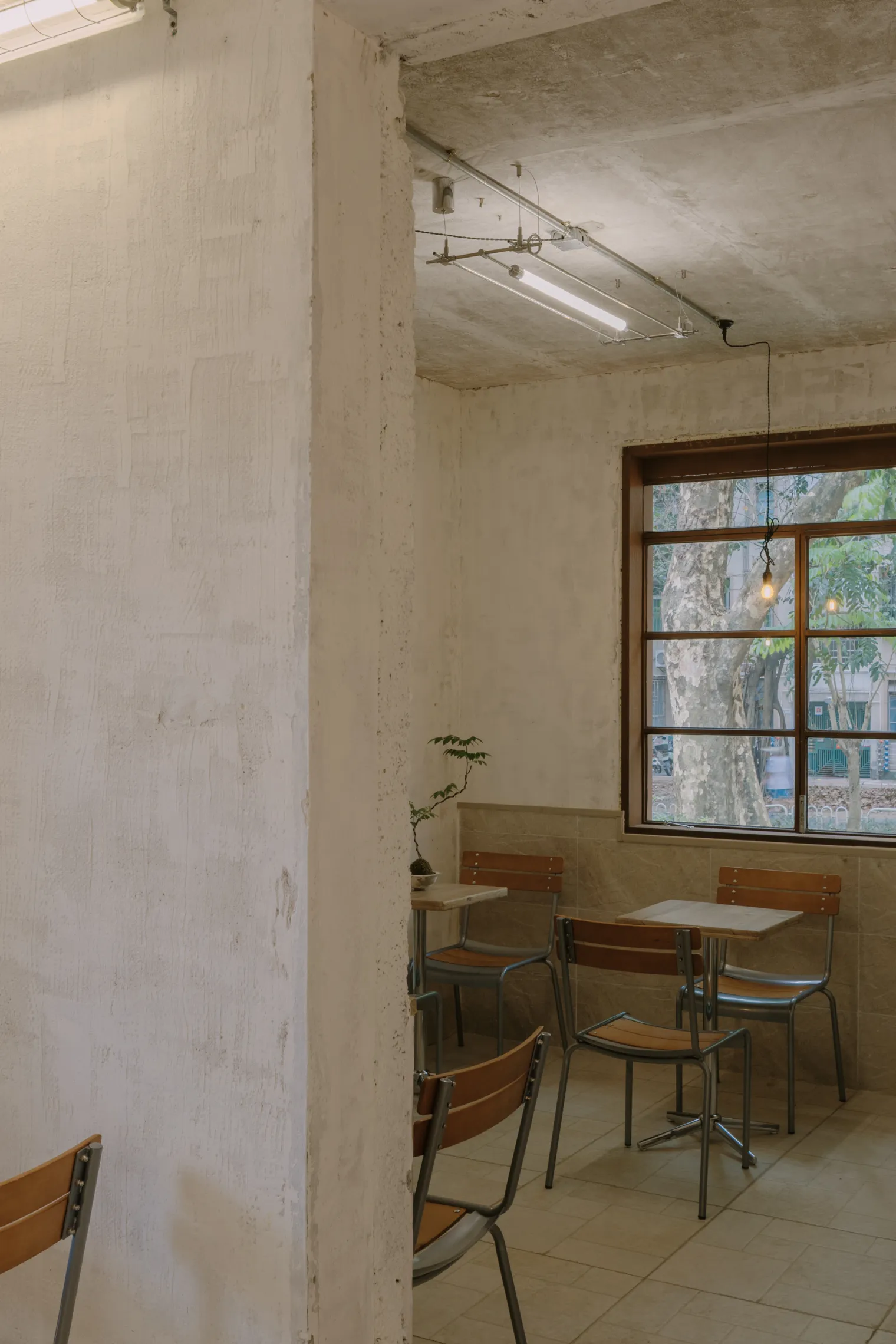
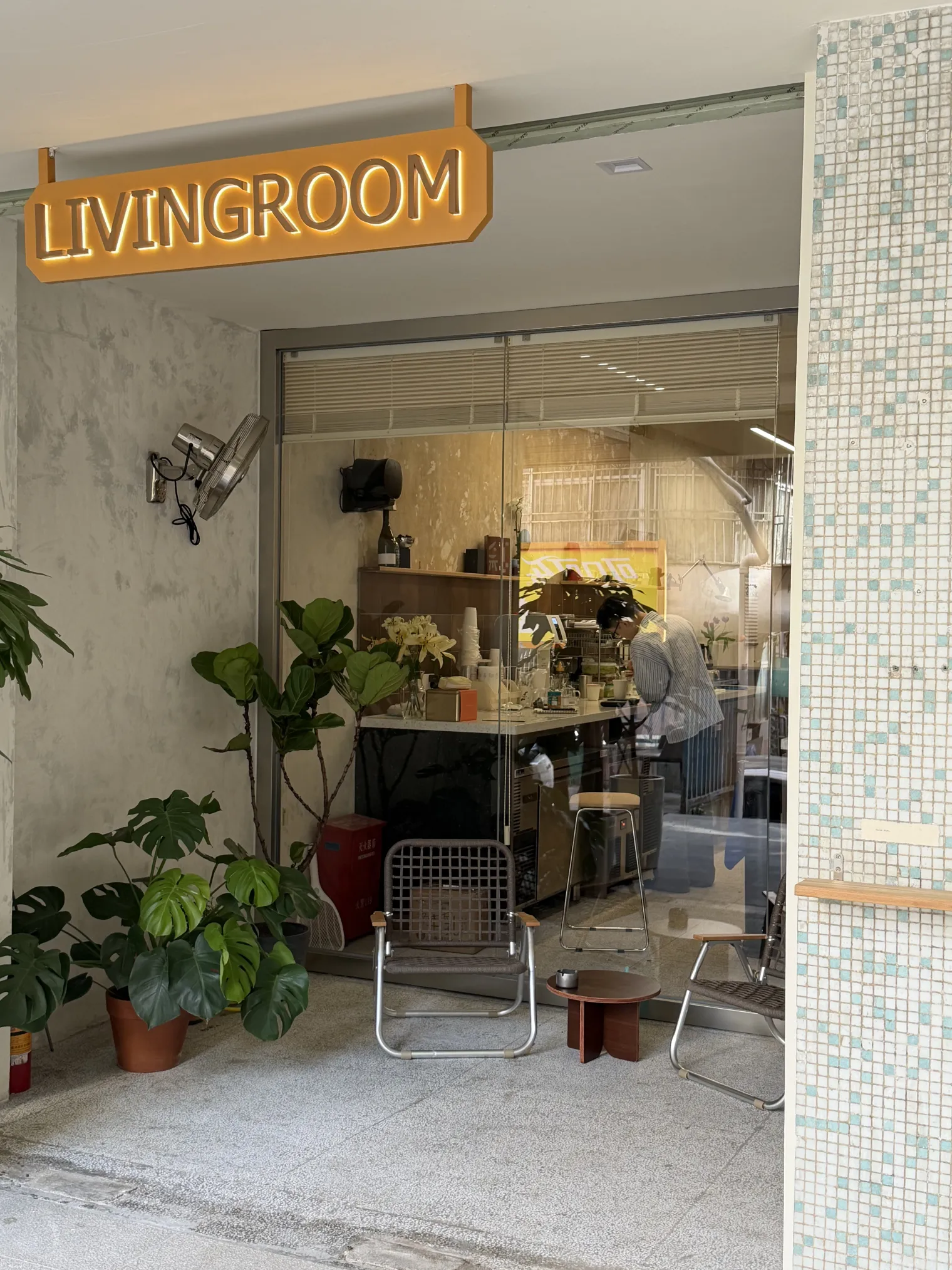
“设计是有很多个答案的,最后我们得到的只是其中一个。”在项目之初,华熙会综合客户需求、人力成本和场地特性,提炼出一个贯穿设计全过程的关键词,再用材料、细节、灯光和布局去回应它。很多时候,正是这个词让店铺在落成后有着“不泯然众人”的辨识度。
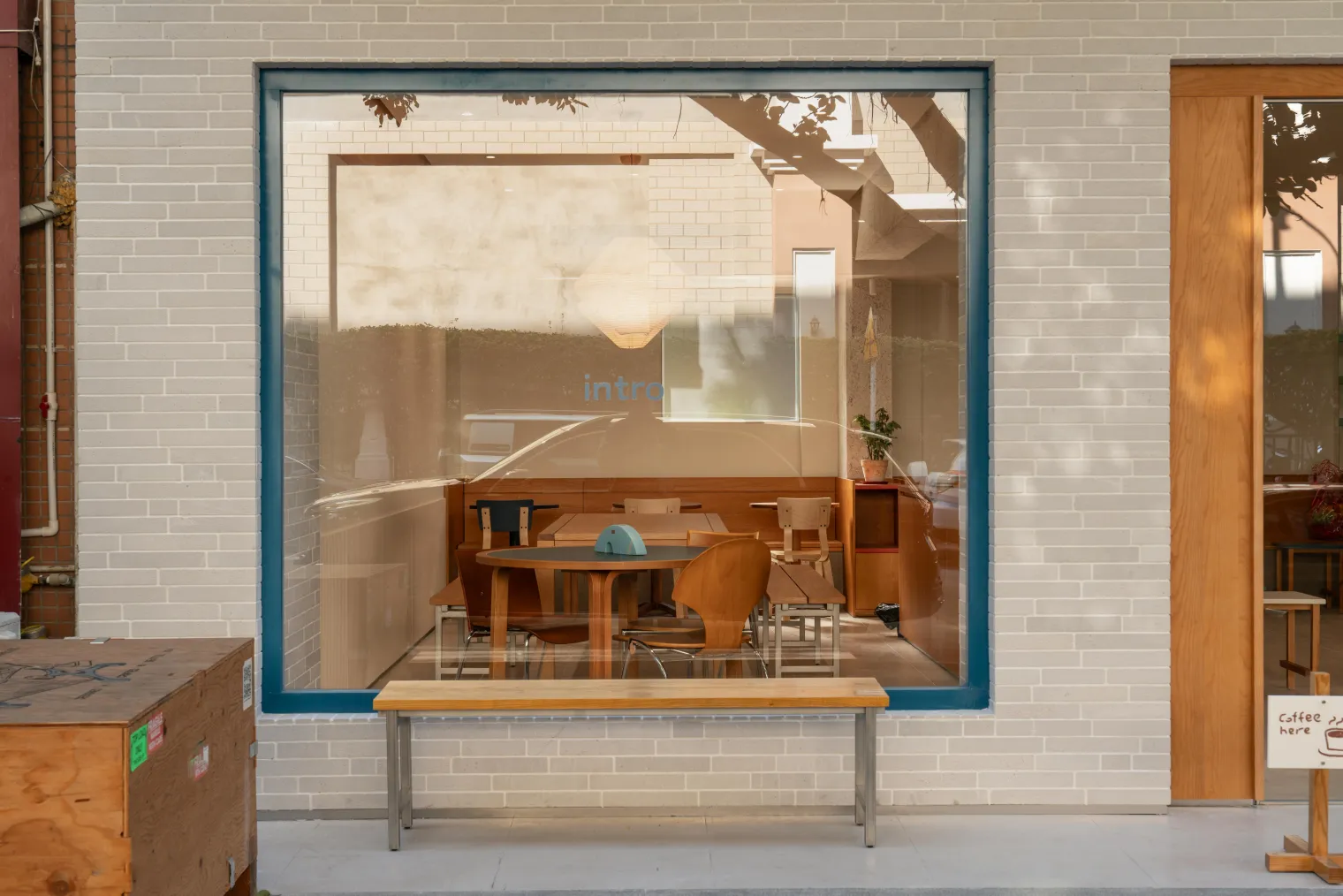
比如intro coffee的关键词是“没有距离的品质感”。
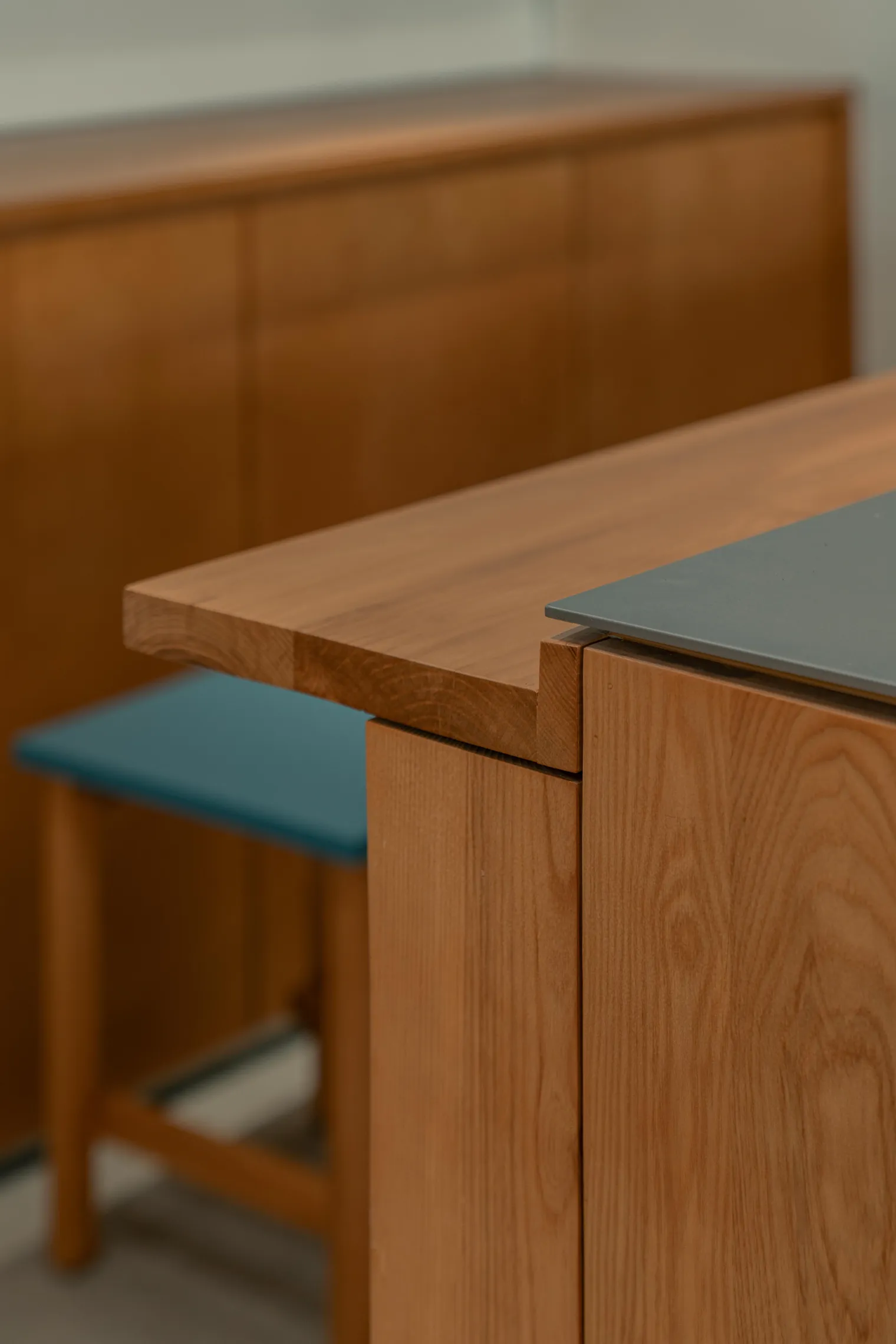
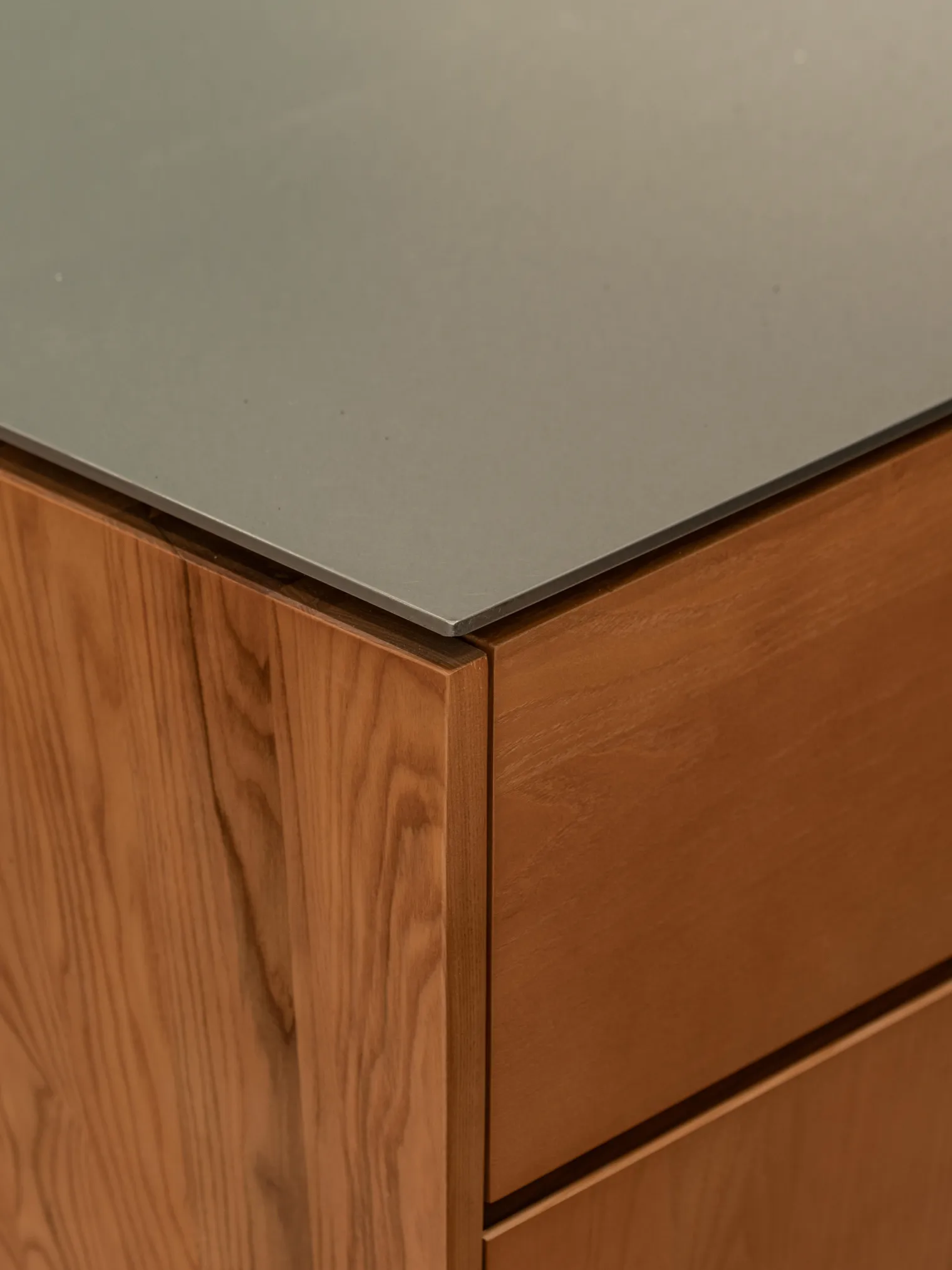
因此,华熙在设计时重点选择了天然石材和实木等自然传统但应用难度较高的材料。实木容易热胀冷缩,则拆分板材进行拼接;实木有一定厚度,因此点餐台采用海棠角,可以看到木纹的横截面;前吧台则通过交错的咬合结构,微微高出一截以遮挡设备电线。
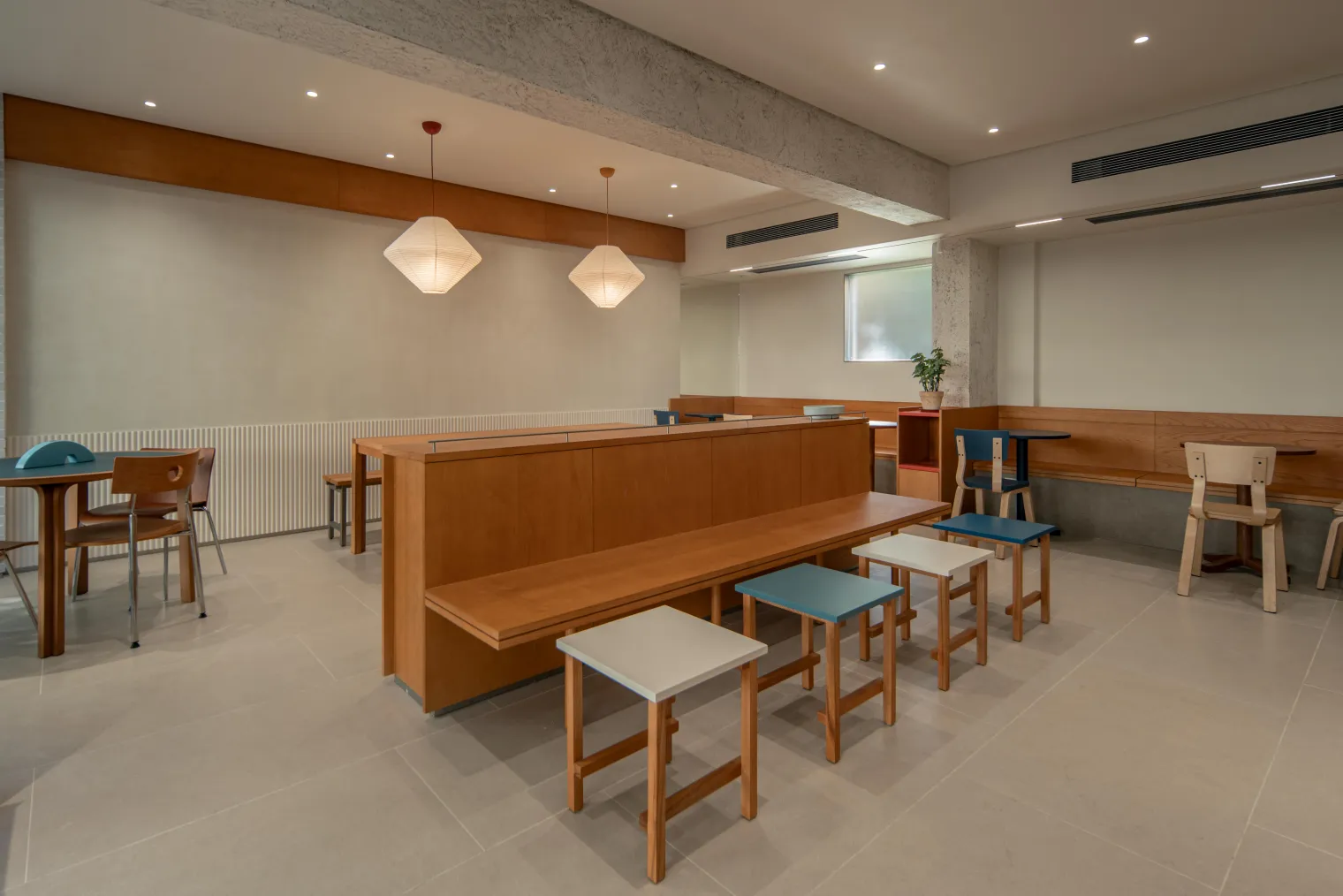
为了避免新店空间扩大带来的疏离感,华熙还特意调整了布局,通过家具的隔断加密了座位,且提供多种就座形式。即便人多时需要拼桌,反而会感受到一种热闹温暖的小店感。
平静角落的关键词是“共同记忆的时间”。
店面位于华侨城东组团居民楼的一层,传统户型别有一番味道。于是华熙在后续创作中,保留了原住宅户型的布局,将此作为时代活化石般展示。但走进店里,会发现一些动线有所调整。曾经的阳台作为入口,客厅成为了吧台,座位在卧室里。这些体验,对于顾客来说无疑是新鲜的。
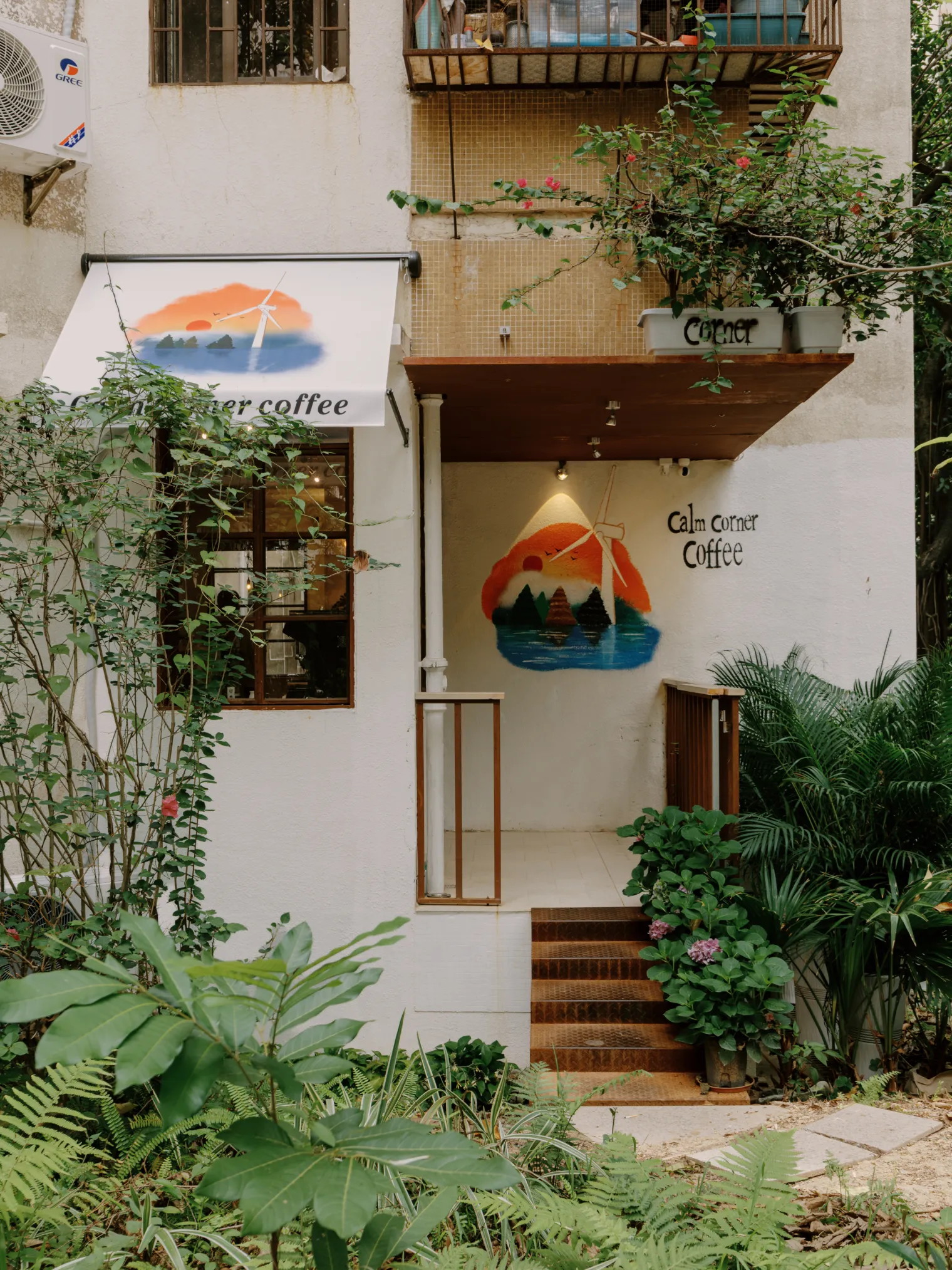
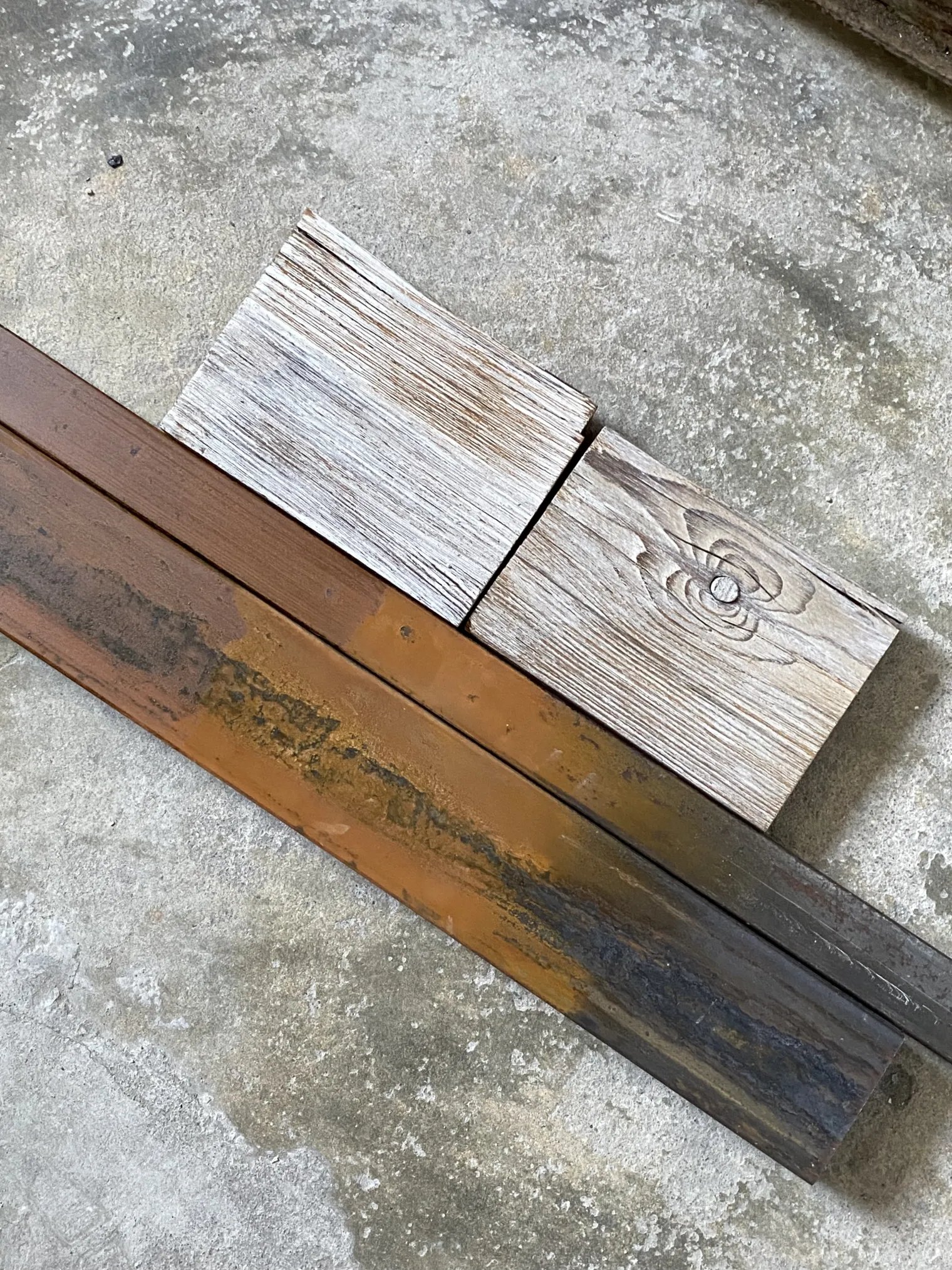
在材料选择上,华熙着重选用具有时间感的材料,比如发白的老木头、用滚轮磨掉的涂料、颜色会慢慢变化的耐候钢板……
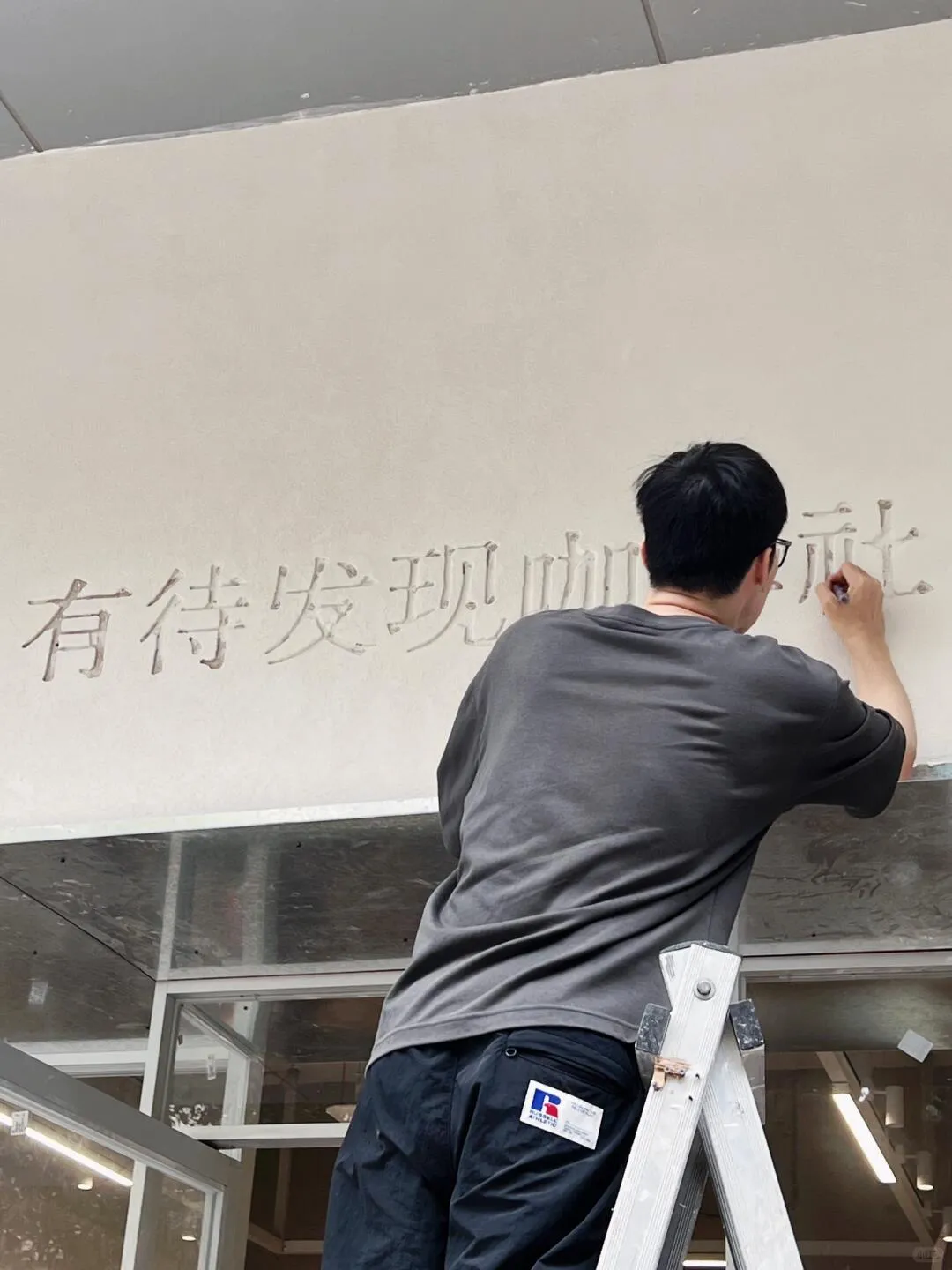
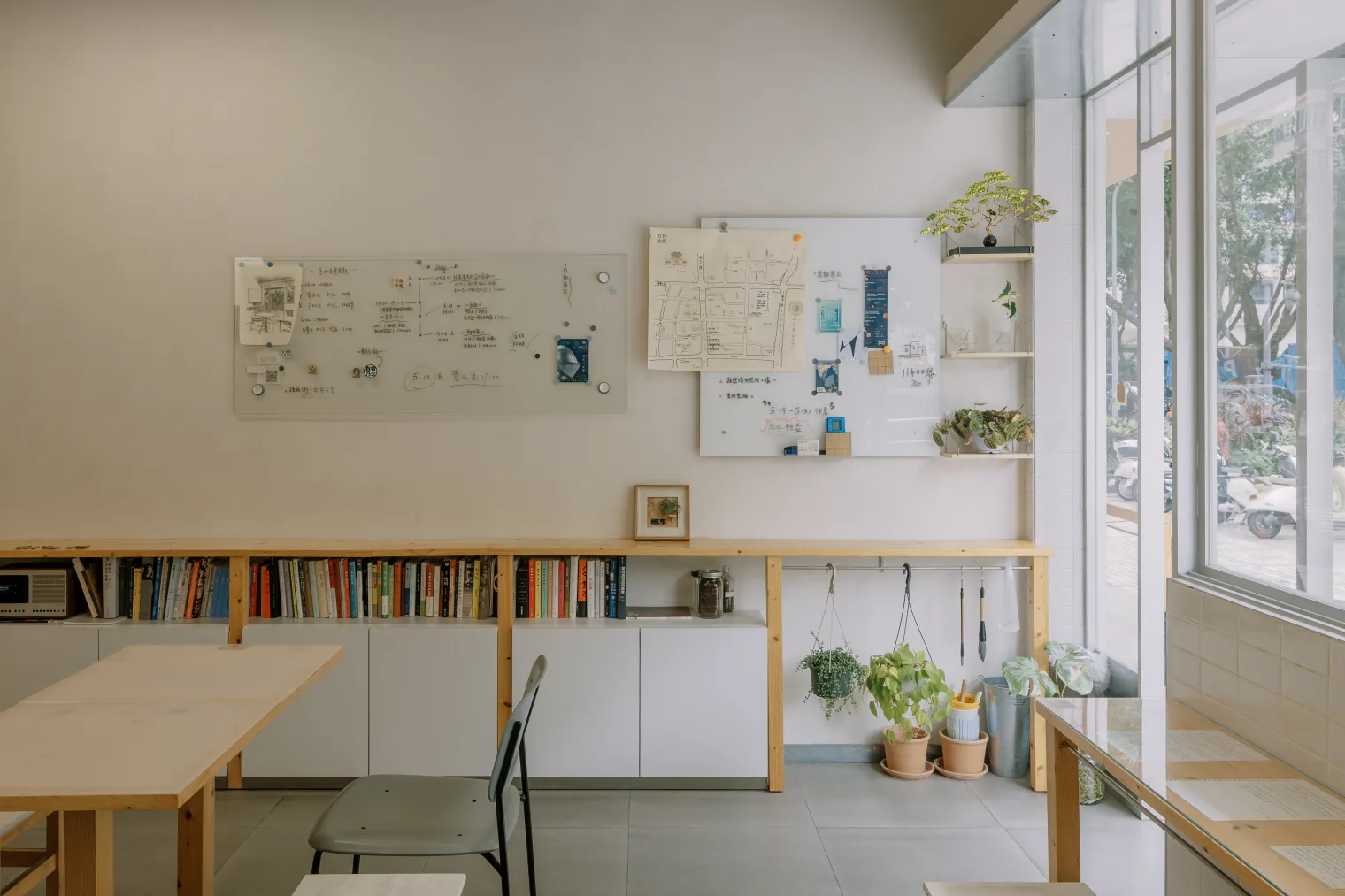
“有待发现”的创作思路则更加回扣品牌故事本身,也就是呈现“发现”的全过程。
门头是一个凹进去的logo,像是“挖掘完”的状态。桌面是采用松木板叠加半透明的亚克力,即“没有被发现”的状态。除此,空间内隐藏多处彩蛋,如门头树脂板内嵌小字logo,桌面玻璃下夹着主理人手写的观察日记。这些都是等着你走进店里,慢慢发现的宝藏。

社区店的每一处,都是精心设计过的
在华熙看来,社区店的设计与其他空间在手法上并无本质不同,但主理人自身的气质,是做设计社区店的关键。“他们是亲自去做咖啡的人,是亲自运营整家店的,只有气质统一了,这里才会舒服。”
以intro coffee为例,比起时髦,华熙更倾向于用“温和有趣”来形容主理人Ben。品尝过店内的咖啡后,他发现这种气质同样体现在出品里:基于咖啡豆原有的状态去做平衡和放大,温和却耐人寻味。
因此设计上,华熙在木质调的基础上加入局部的色彩作为调剂;店内留出一个展示台,让Ben可以放置自己喜欢的漫画。
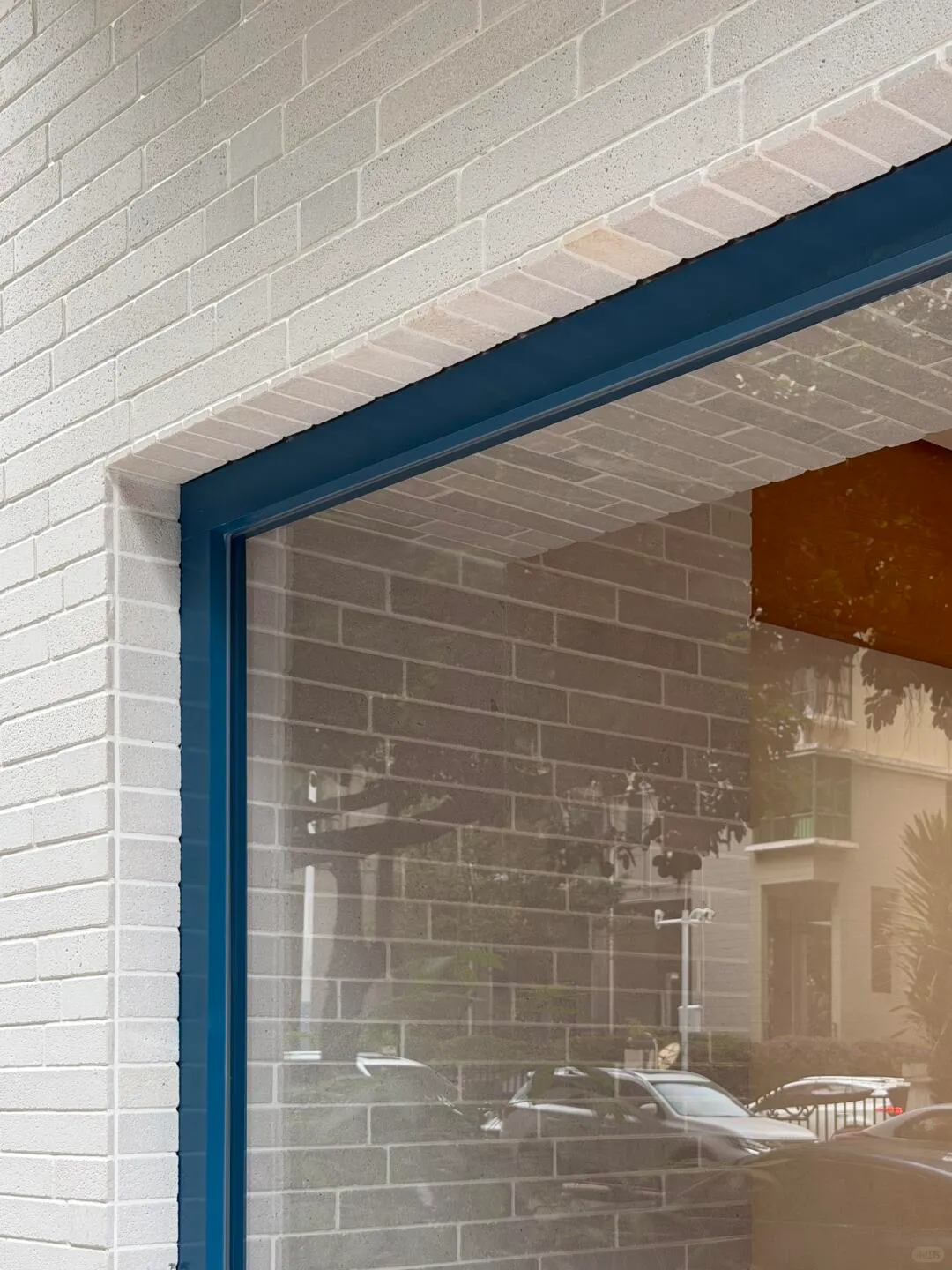
除了主理人的特质,华熙会从实用功能出发,设计店里的每一处,并在此基础上延伸为装饰节点。换句话说,即使装饰手法相近,出发点却是不同的。
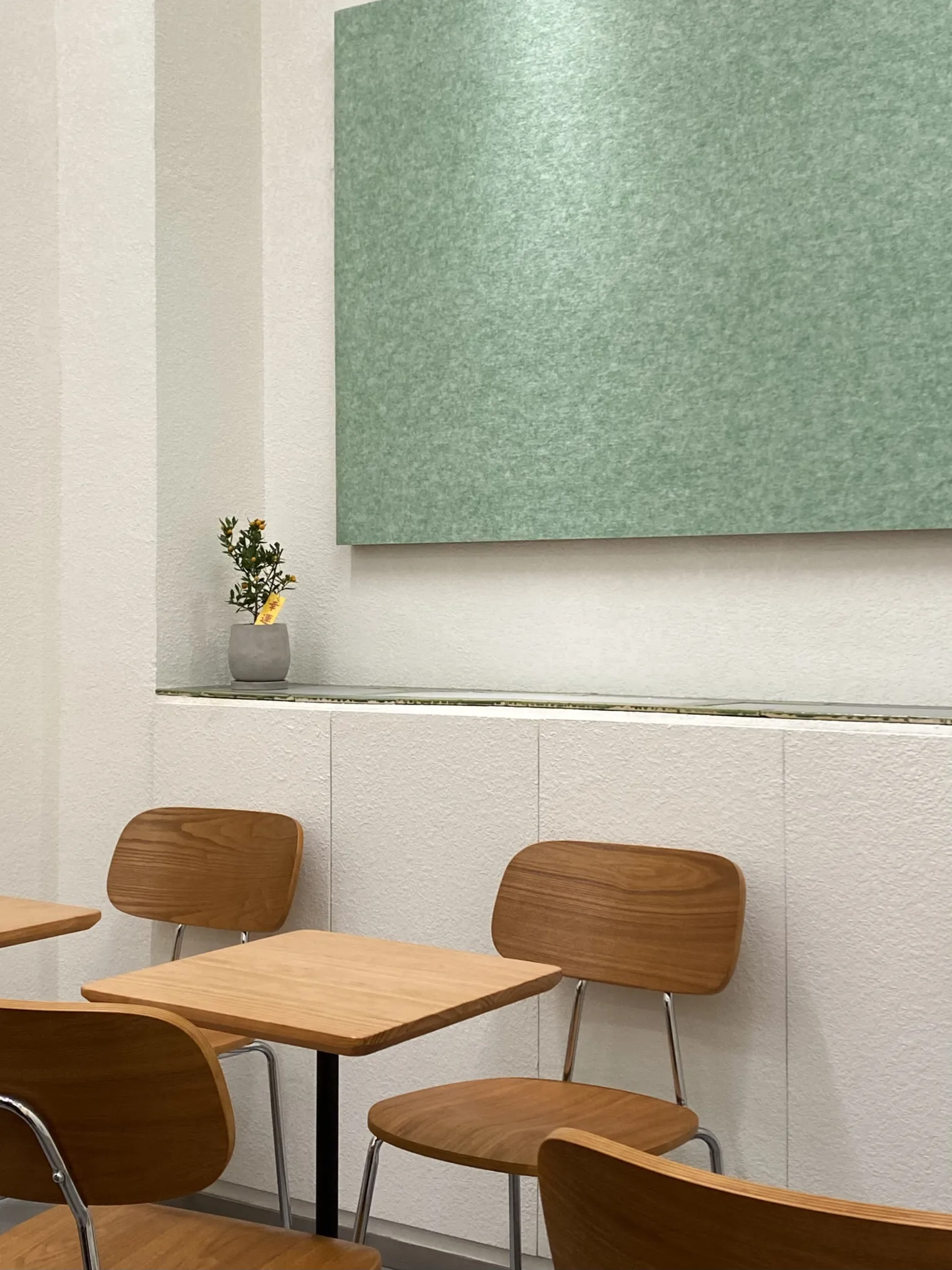
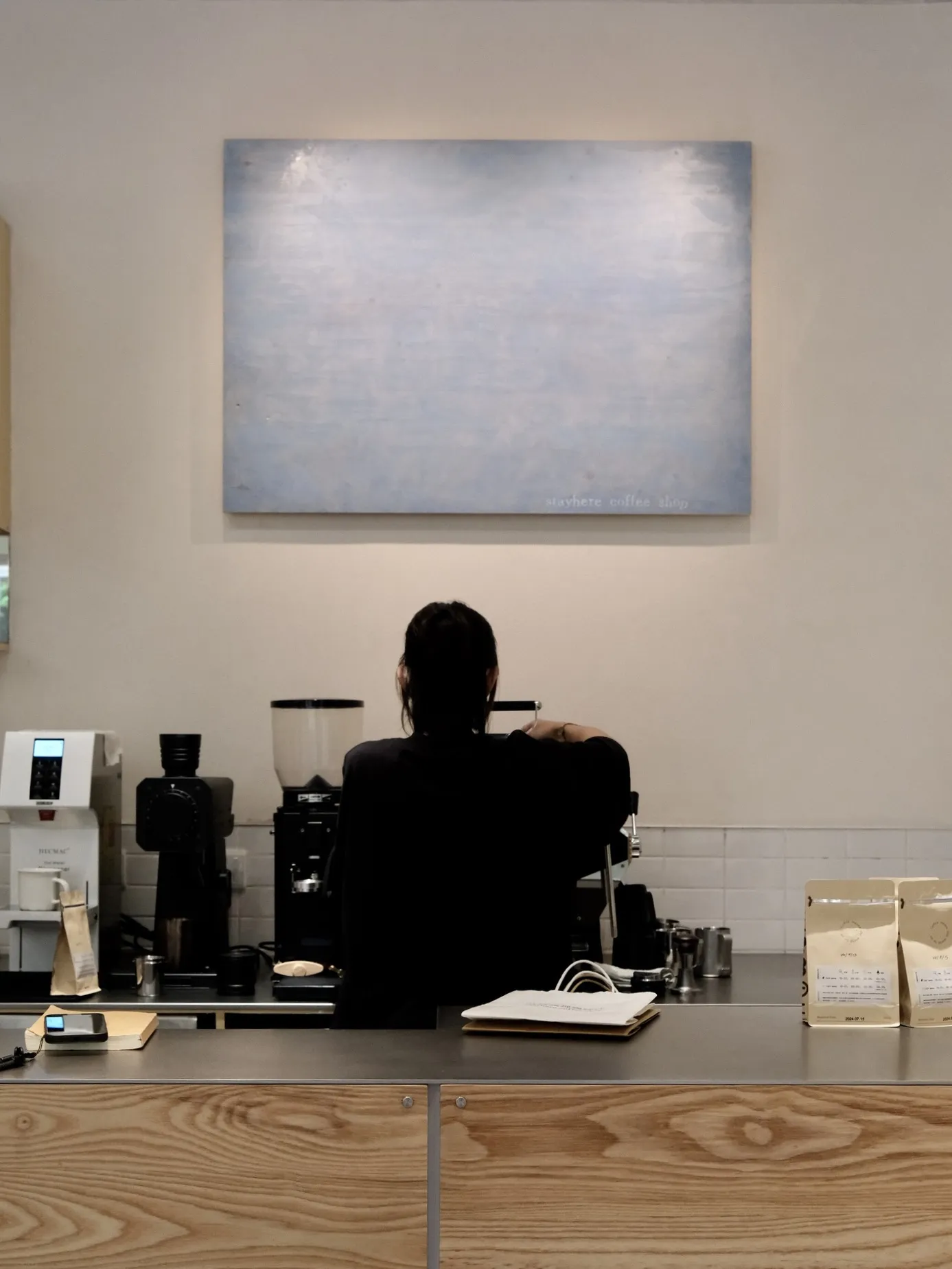
比如MORELIFE COFFEE和有待发现,都有一块纯色的画。在morelife,它是一块吸音板,用于降低背后高大空间的噪音。但在有待发现,这是块装饰板,板下标有logo,成为店内一个等待被发现的彩蛋。这种适度、克制却不失个性的风格,或许正就是华熙的个人语言。

社区店改造,是一次城市微更新
做完项目后,华熙总是会成为店里的熟客,这让他对城市多了层归属感。看到越来越多人和他一样借着店铺回到街道和社区,他也有一种成就感。
“这种沿街店铺的设计改造,很大程度会改变原来街道千篇一律的样子。我最喜欢的室内建筑师是长坂常,他在公司到家这条路上,低价做了很多社区店,有设计感但又很有人情味。”
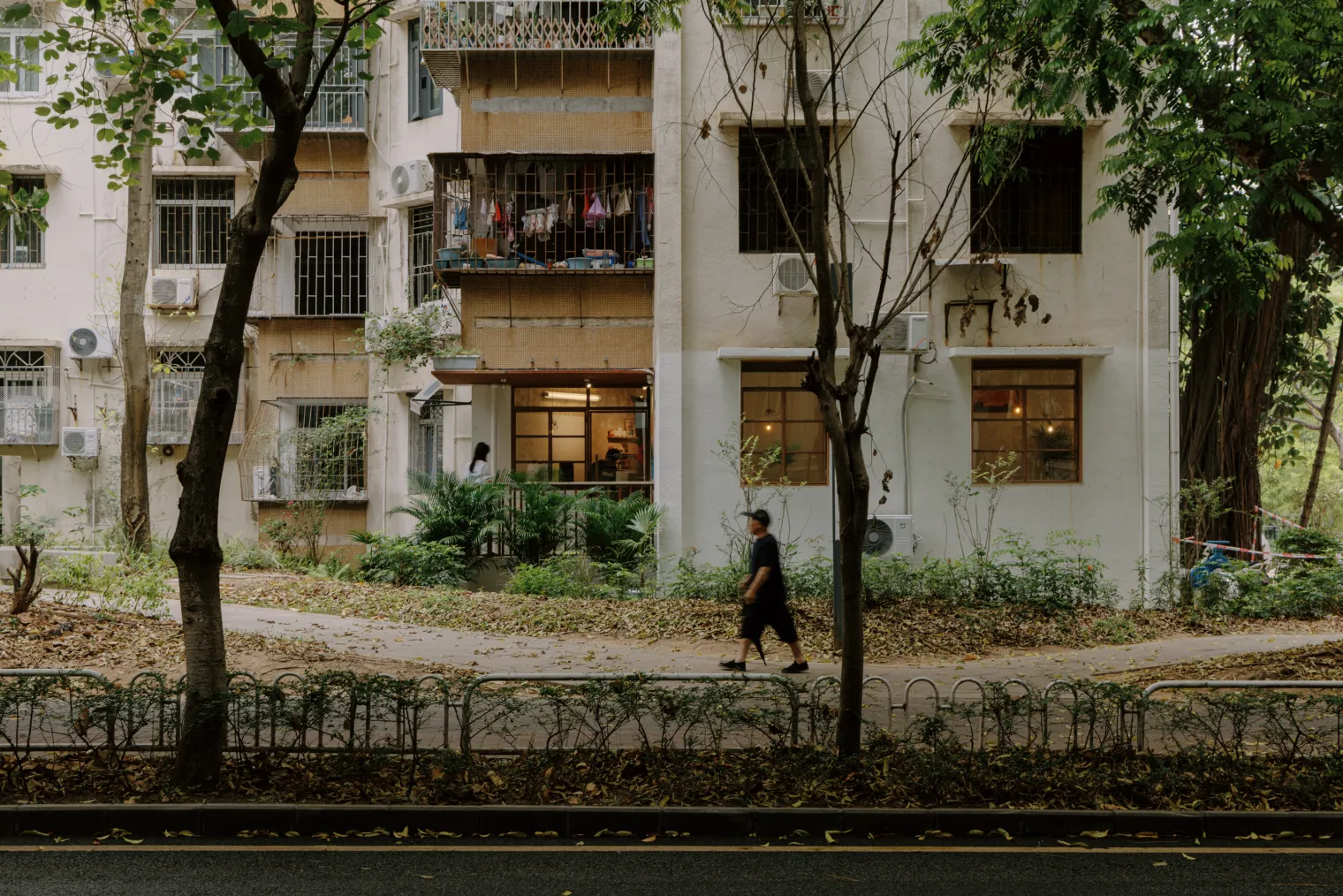
比起热衷社区店改造,说他热衷城市微更新可能更恰当。他指了指采访时所在的街道,说“如果稍微调整下户外的座椅,这里就能变得很好玩,而不单是一个通勤的空间。”
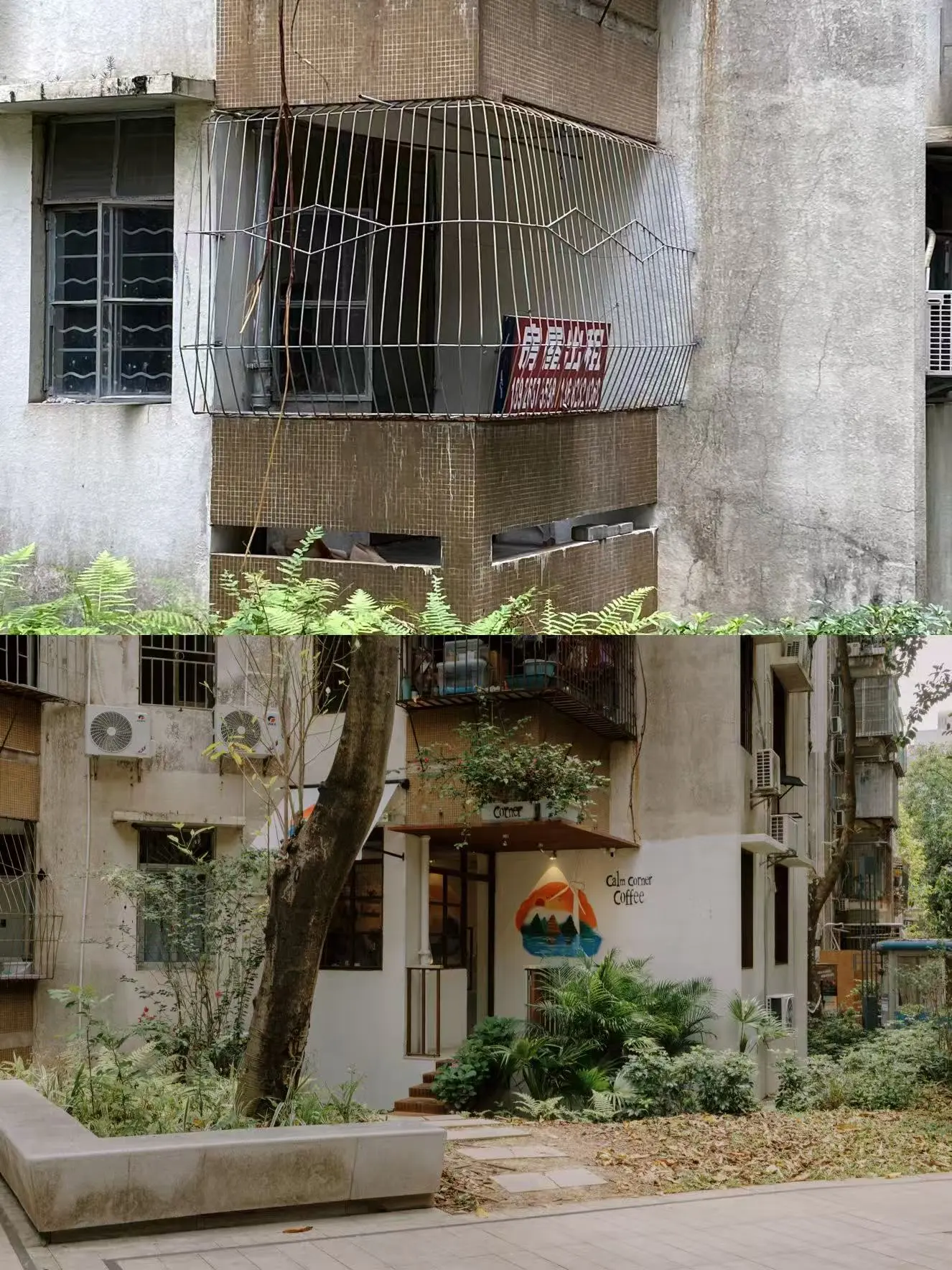
“不过度设计”是华熙经常提醒自己的一句话。
在他看来,设计不需要复杂华丽,反而要保持克制清醒,综合考虑主理人的气质、店内的产品及服务、所在社区的环境等多种元素,达到平衡的状态。就像走进intro coffee,你会觉得很舒服,但实际上灯光是精心设计过的,家居布局也藏有巧思。
这场对话也让我们发现,与产品相比,设计的角色虽然更后置,但不可忽略。它影响着你会在这家店停留多久,又是否会再次到访,甚至将此作为城市中的“第三空间”。
English Version
How Community Cafes Become the Spiritual Utopia for City People?
Over the past few years, community cafes have quietly grown in every corner of Shenzhen, either preserving the appearance of old houses from the last century or hidden deep in village alleys surrounded by high-rise buildings. At first glance, such spaces seem like enclaves in this city, but upon entering, you discover they are not isolated or out of place; instead, they bring people closer to their communities and to the city.
In this episode of “One Store,” we met spatial designer Hua Xi to discuss how he understands community cafes and how he designs and transforms them.
Every Store Has a Keyword
From intro coffee to Livingroom Coffee, MORELIFE COFFEE, Jingping Jiaojiao, You Dai Fa Xian Coffee Society, looking closely at the community cafes designed by Hua Xi, none have grand concepts or eye-catching designs, yet they naturally attract traffic. People come for the coffee, but stay as regulars because of the comfortable and natural dining atmosphere.
“Design has many answers, and what we get in the end is just one of them.” At the beginning of each project, Hua Xi synthesizes the client”’s needs, labor costs, and site characteristics to distill a keyword that runs through the entire design process. He then uses materials, details, lighting, and layout to respond to it. Often, it is this very word that gives the store an identifiable character after completion.
For intro coffee, the keyword is “quality without distance.”
Therefore, Hua Xi focused on natural stone and solid wood—natural traditional materials with high application difficulty. Solid wood expands and contracts with temperature changes, so he splits boards for splicing. Since solid wood has a certain thickness, the ordering counter uses a haitang corner (mitered joint) to reveal the cross-section of wood grain. The front bar counter is slightly elevated by an interlocking structure to conceal equipment wires.
To avoid the alienation that comes with expanding the space in a new store, Hua Xi deliberately adjusted the layout, densifying seating through furniture partitions and offering various seating forms. Even when people need to share tables during busy times, they feel a lively and warm small-shop atmosphere.
For Jingping Jiaojiao, the keyword is “shared memory of time.”
The shop is located on the first floor of a residential building in the OCT East Group. The traditional floor plan has a unique charm. So Hua Xi preserved the original residential layout in his later creations, displaying it as a living fossil of the era. However, walking into the shop, you”’ll find some flow adjustments. The former balcony serves as the entrance, the living room becomes the bar counter, and the seating is in the bedroom. These experiences are undoubtedly fresh for customers.
In material selection, Hua Xi prioritized materials with a sense of time, such as whitened old wood, paint removed with rollers, and weathering steel that slowly changes color…
“You Dai Fa Xian” (Waiting to be Discovered) follows a creative approach that directly ties back to the brand story itself, presenting the entire process of “discovery.”
The storefront logo is indented, like a state of “having been dug.” The table surface uses pine boards layered with translucent acrylic, representing the state of “not yet discovered.” In addition, there are hidden easter eggs throughout the space, such as the small logo embedded in the resin board at the storefront entrance and the owner”’s handwritten observation diary sandwiched under the glass on the table. These are all treasures waiting for you to slowly discover when you walk into the shop.
Every Detail of a Community Store Is Carefully Designed
In Hua Xi”’s view, community store design is no different in technique from other spaces, but the owner”’s own temperament is key to designing community stores. “They are the people personally making coffee, personally operating the entire store. Only when the temperament is unified will it feel comfortable.”
Take intro coffee, for example. Compared to being trendy, Hua Xi is more inclined to describe owner Ben as “gentle and interesting.” After tasting the coffee in the shop, he found that this temperament is also reflected in the products: balancing and amplifying based on the original state of the coffee beans, gentle yet thought-provoking.
Therefore, in design, Hua Xi added localized colors as accents on a wood-based palette; the shop left a display area where Ben can place his favorite comics.
Aside from the owner”’s characteristics, Hua Xi designs every detail of the store starting from practical functions and then extends them as decorative nodes. In other words, even if the decorative techniques are similar, the starting point is different.
For example, MORELIFE COFFEE and You Dai Fa Xian both have a solid-colored painting. In Morelife, it”’s an acoustic panel to reduce noise in the tall space behind. But in You Dai Fa Xian, it”’s a decorative board with the logo marked underneath, becoming an easter egg waiting to be discovered in the shop. This style of moderate, restrained yet distinctive personality might be Hua Xi”’s personal language.
Community Store Renovation is a City Micro-Update
After completing a project, Hua Xi always becomes a regular customer at the shop, giving him a deeper sense of belonging to the city. Seeing more and more people return to streets and communities through these shops, he also feels a sense of accomplishment.
“This kind of street-side store design and renovation greatly changes the previously uniform appearance of streets. My favorite interior architect is Nagasaka Tsuneo; he did many community stores at low prices on the way from his company to home—designed yet very human.”
Rather than being obsessed with community store renovation, it might be more appropriate to say he is obsessed with city micro-updates. He pointed to the street where the interview took place and said, “If we slightly adjust the outdoor seating here, it can become fun, not just a commuting space.”
“Over-designing” is a phrase Hua Xi often reminds himself of.
In his view, design doesn”’t need to be complex and gorgeous; instead, it should remain restrained and clear, comprehensively considering the owner”’s temperament, products and services in the shop, and the environment of the community where the shop is located to achieve a balanced state. Just as when you walk into intro coffee, you feel very comfortable, but in fact, the lighting is carefully designed, and the furniture layout hides clever ideas.
This conversation also revealed to us that compared to products, the role of design, although more behind the scenes, cannot be ignored. It affects how long you will stay at this shop, whether you will visit again, and even whether you will consider it a “third space” in the city.

为创作者 17vis 守护知识产权,转载必须保留完整出处信息 (侵权必究)
© 2026 17vis.com All Rights Reserved.