Unlock Nine Styles of Aesthetic Expression in Packaging Design with Visual Genes
设计风格是灵魂,材质与工艺是让灵魂站起来的骨架
引言:包装,是品牌的第一张脸
包装是消费者与品牌的“0.3秒初见”。在货架上,它替品牌说话;在电商页面,它替产品点击。好的包装自己会讲故事,差的包装需要促销员用口水去填。
本文聚焦一件事:设计风格怎么定、美学怎么表达、风格如何落地。
第一章:九大主流包装设计风格
1.1 极简主义
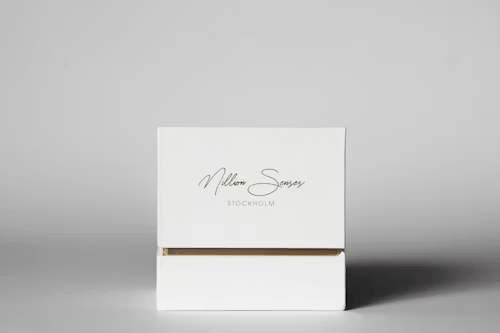
美学内核:少即是多。留白是呼吸,克制是力量,高级感来自“不说太多”。
视觉特征:字体是绝对主角,色彩控制在1-2色以内,负空间是灵魂所在。
适用品类:高端护肤、电子产品、奢侈品。
材质表情:超感纸、未涂布纸、哑膜——冷静、克制、不争。
工艺表情:击凸、烫银、局部UV——精致但不张扬。
1.2 国潮/东方美学
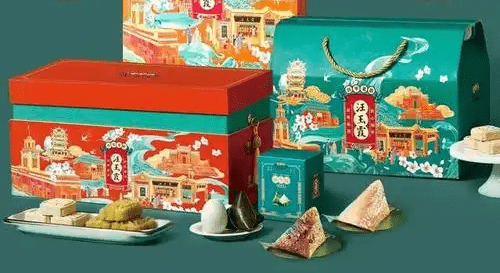
美学内核:传统元素的现代化转译。不是贴一个窗花,是把东方的气韵装进现代的容器。
视觉特征:水墨的氤氲、印章的力道、朱砂红的浓烈、黛蓝的沉静、鹅黄的温润。
适用品类:茶叶、白酒、中式糕点、文创、国货美妆。
材质表情:宣纸纹理纸、棉纸、洒金纸——有笔触、有温度、有手工感。
工艺表情:烫金、压凹、宣纸裱糊——东方的精致,是克制的华丽。
1.3 插画/手绘
美学内核:独特性是它的护城河。每一笔都是“只有我有”,每一根线条都在说“我不是流水线”。
视觉特征:水彩的流动、版画的力度、蜡笔的稚拙、线描的精准——风格统一是最大的难点。
适用品类:食品、母婴、文创、咖啡、果酱。
材质表情:水彩纸纹理特种纸、棉纸——保留笔触的肌理,让印刷品看起来像原作。
工艺表情:数码印刷(保留笔触细节)、局部UV——点到为止,不抢插画的风头。
1.4 复古/怀旧
美学内核:年代感是一种高级的情绪价值。它唤醒记忆,建立信任,让人觉得“这个品牌有来头”。
视觉特征:低饱和度的色彩、衬线体或手写体、经典版式、做旧肌理。
适用品类:精酿啤酒、复古零食、老字号焕新。
材质表情:牛皮纸、再生纸、棉浆纸——旧得有质感,不是真的旧。
工艺表情:单色/双色印刷、网点做旧——不完美,恰恰是完美的表达。
1.5 波普/孟菲斯
美学内核:高能量、幽默感、反常规。它不怕吵,怕的是不够热闹。
视觉特征:高饱和撞色、几何图形、点线面的构成游戏、重复与变奏的节奏感。
适用品类:潮玩、文创、年轻快消品、限定款。
材质表情:高白铜版纸、艺术纸——色彩要“跳”出来,纸必须够白、够亮。
工艺表情:专色印刷(保证饱和度)、不宜过度工艺——波普的快乐,不需要镀金。
1.6 自然/有机
美学内核:天然、质朴、亲和。它不说“我很贵”,它说“我很真”。
视觉特征:大地色系(米白、原木、草绿)、手写字体、大量留白。
适用品类:护肤品、食品、母婴、农产品。
材质表情:再生纸、棉纸、麻布、未漂白纸——触感和视觉一样重要。
工艺表情:环保油墨、简约工艺、无覆膜——让纸张呼吸,让包装有生命感。
1.7 科技/未来感
美学内核:先锋、理性、速度感。它属于下一个时代。
视觉特征:金属色、渐变、镭射、透明材质、几何线条、不对称构图。
适用品类:电子产品、科技美妆、潮牌。
材质表情:镭射纸、透明PET、金属质感纸——光本身就是设计元素。
工艺表情:烫镭射、逆向UV、丝印——冷、硬、精确。
1.8 奢华/高端
美学内核:厚重、精致、仪式感。它让你觉得“打开它,是一件值得郑重对待的事”。
视觉特征:深色+金色组合、繁复压纹、多层次结构、大开大合的版式。
适用品类:珠宝、名表、高端酒类、限量版化妆品。
材质表情:艺术纸、珠光纸、触感膜——手摸上去的质感,和眼睛看到的一样重要。
工艺表情:烫金+击凸、裱糊硬盒、多层内衬——每一道工艺都在说“我很贵”。
1.9 趣味/互动
美学内核:好玩、惊喜、参与感。它不是被观看的,是被“玩”的。
视觉特征:角色化设计、插画故事、表情化图形、异形轮廓。
适用品类:儿童食品、节日限定、IP联名。
材质表情:卡纸、瓦楞纸——轻、好成型、不怕折腾。
工艺表情:模切异形、开窗、翻翻乐结构——打开的方式,本身就是设计的一部分。
第二章:风格的选择逻辑
品牌基因是第一筛子。 你是“东方美学”还是“极简科技”?这个底色定了,风格的方向就不会偏。
目标人群的审美密码。 Z世代要“炸”,70后要“稳”。不是审美有高下,是每个人被驯化的视觉语言不同。
渠道的视觉语法。 电商需要“屏上跳出来”,货架需要“堆头里站出来”。同一个包装,放在不同的战场,打法不同。
成本的隐形分水岭。 极简风不一定便宜(超感纸+击凸不便宜),波普风不一定贵(专色印刷+铜版纸可控)。风格背后是材质和工艺的等级差,不是“复杂=贵,简单=便宜”。
第三章:材质如何成就风格
| 风格 | 推荐纸张 | 纸张在说什么 |
|---|---|---|
| 极简 | 超感纸、未涂布纸 | 冷静、克制、不争 |
| 国潮 | 宣纸纹理纸、棉纸 | 东方、温润、有笔触 |
| 插画 | 水彩纸纹理特种纸 | 保留笔触、有手工感 |
| 复古 | 牛皮纸、再生纸 | 旧得有质感、有故事 |
| 波普 | 高白铜版纸 | 色彩要跳、够白够亮 |
| 自然 | 再生纸、棉纸、麻布 | 质朴、温暖、会呼吸 |
| 科技 | 镭射纸、透明PET | 光即设计、冷而精确 |
| 奢华 | 艺术纸、珠光纸 | 光泽、厚重、有分量 |
| 趣味 | 卡纸、瓦楞纸 | 轻、好成型、不怕折腾 |
工艺的表情
| 工艺 | 视觉表情 | 触觉表情 |
|---|---|---|
| 烫金 | 华丽、聚焦、贵 | 光滑、微凸 |
| 击凸 | 立体、精致、有层次 | 浮雕感、可触摸 |
| 覆哑膜 | 内敛、高级、安静 | 丝滑、温润 |
| 逆向UV | 对比、丰富、有细节 | 亮哑分明 |
| 烫镭射 | 炫、未来、科技感 | 光滑、冷 |
| 模切 | 有趣、独特、不常规 | 边缘分明 |
第四章:结构如何衬托风格
结构不是主角,但它决定了风格能不能“站住”。
- 极简风格 → 结构也应是简洁的。天地盖、直线条,不拖泥带水。
- 国潮风格 → 结构可呼应东方元素。书型盒、画卷式开启,开盒即入境。
- 奢华风格 → 结构需有“层层打开”的仪式感。多层内托、丝带提拉,每一步都是体验。
- 趣味风格 → 结构本身就是互动的一部分。异形模切、翻翻乐,打开的方式就是设计本身。
第五章:风格落地的高频错误
- ❌ 风格与品牌脱节。一个卖茶叶的品牌用化工风,不是创意,是事故。
- ❌ 风格被工艺“吃掉”。极简风做了满版烫金,克制变成浮夸。
- ❌ 风格被材质“毁了”。国潮风覆了亮膜,东方韵味变成塑料感。
- ❌ 为了风格牺牲阅读。关键信息藏在花纹里,消费者找不到“这是什么”。
- ❌ 为了风格超出预算。小众风格没必要全烫金,钱要花在刀刃上。
结语:用视觉基因,开启你的包装设计
九大风格,不是选择题的九个选项,是你工具箱里的九把尺子。
极简的克制、国潮的风骨、插画的温度、复古的情绪、波普的能量、自然的质朴、科技的未来、奢华的仪式、趣味的惊喜——每一种风格,都是一套完整的视觉基因。它不是外加的装饰,是品牌内核自然长出的样子。
找到属于你的那个基因,然后用材质支撑它、用工艺强化它、用结构实现它。
再美的风格,落不了地,就是纸上谈兵。再贵的材质,选错了风格,就是浪费。
相关资源示范:花的语言与情感传达——从一朵花到一盒情感:包装设计中的花卉视觉表达全解析
最全实用工具:包装设计必须知道的包装法规与标识要求——设计师的合规工具手册2026版
17vis · 行者知【版本:20260520V3.0 持续迭代】
English Version
Design style is the soul, and materials and processes are the skeleton that makes the soul stand.
Introduction: Packaging is the brand’s first face
Packaging is the “0.3-second first meeting” between a consumer and a brand. On the shelf, it speaks for the brand; on e-commerce pages, it drives clicks for the product. Good packaging tells its own story; poor packaging needs salespeople to fill in with endless words.
This article focuses on one thing: how to define design style, how to express aesthetics, and how to bring style to life.
Chapter I: Nine Mainstream Packaging Design Styles
1.1 Minimalism
Aesthetic core: Less is more. Whitespace is breathing room, restraint is power, and a sense of premium comes from “saying less.”
Visual characteristics: Typography is the absolute protagonist, colors are controlled to 1-2 hues, and negative space is the soul.
Applicable categories: High-end skincare, electronics, luxury goods.
Material expression: Super-calendered paper, uncoated paper, matte film — calm, restrained, unassuming.
Process expression: Embossing, silver foil stamping, spot UV — refined but not showy.
1.2 Chinese Trend / Eastern Aesthetics
Aesthetic core: Modern translation of traditional elements. It’s not about pasting a window decoration; it’s about putting Eastern charm into a modern container.
Visual characteristics: The misty quality of ink wash painting, the strength of seal carving, the intensity of cinnabar red, the tranquility of dark blue, the warmth of goose yellow.
Applicable categories: Tea, baijiu, Chinese pastries, cultural products, domestic beauty brands.
Material expression: Xuan paper texture paper, cotton paper, gold-dusted paper — with brushstrokes, warmth, and a handcrafted feel.
Process expression: Gold foil stamping, debossing, Xuan paper pasting — Eastern refinement is restrained magnificence.
1.3 Illustration / Hand-drawn
Aesthetic core: Uniqueness is its moat. Every stroke is “only I have it,” every line says “I’m not from an assembly line.”
Visual characteristics: Watercolor flow, printmaking strength, crayon innocence, line drawing precision — maintaining a unified style is the greatest challenge.
Applicable categories: Food, baby products, cultural goods, coffee, jams.
Material expression: Watercolor paper texture specialty paper, cotton paper — preserving the brushstroke texture so printed pieces look like originals.
Process expression: Digital printing (preserving brushstroke details), spot UV — just enough, not stealing the illustration’s spotlight.
1.4 Vintage / Nostalgic
Aesthetic core: A sense of era is a premium emotional value. It awakens memories, builds trust, and makes people feel “this brand has history.”
Visual characteristics: Low-saturation colors, serif or handwritten fonts, classic layouts, weathered textures.
Applicable categories: Craft beer, retro snacks, time-honored brands being revitalized.
Material expression: Kraft paper, recycled paper, cotton pulp paper — old with texture, not truly old.
Process expression: Single/dual-color printing, halftone aging — imperfection is the perfect expression.
1.5 Pop / Memphis
Aesthetic core: High energy, humor, anti-convention. It’s not afraid of being loud; it’s afraid of not being lively enough.
Visual characteristics: High-saturation color blocking, geometric shapes, point-line-surface composition games, rhythm of repetition and variation.
Applicable categories: Trendy toys, cultural goods, young FMCG products, limited editions.
Material expression: High-white coated paper, artistic paper — colors need to “pop,” the paper must be white and bright.
Process expression: Spot color printing (to ensure saturation), avoid excessive processes — Pop’s joy doesn’t need gold plating.
1.6 Natural / Organic
Aesthetic core: Natural, rustic, approachable. It doesn’t say “I’m expensive,” it says “I’m authentic.”
Visual characteristics: Earth tones (off-white, wood, grass green), handwritten fonts, generous whitespace.
Applicable categories: Skincare, food, baby products, agricultural products.
Material expression: Recycled paper, cotton paper, burlap, unbleached paper — touch is as important as sight.
Process expression: Eco-friendly ink, simple processes, no lamination — let the paper breathe, give the packaging a sense of life.
1.7 Tech / Futuristic
Aesthetic core: Pioneering, rational, speed. It belongs to the next era.
Visual characteristics: Metallic colors, gradients, holographic effects, transparent materials, geometric lines, asymmetrical compositions.
Applicable categories: Electronics, tech beauty, streetwear brands.
Material expression: Holographic paper, transparent PET, metallic-textured paper — light itself is a design element.
Process expression: Holographic foil stamping, reverse UV, screen printing — cold, hard, precise.
1.8 Luxury / Premium
Aesthetic core: Heaviness, refinement, ritual. It makes you feel “opening it is something worth treating solemnly.”
Visual characteristics: Dark + gold combinations, intricate embossing, multi-layered structures, bold layouts.
Applicable categories: Jewelry, luxury watches, premium liquor, limited-edition cosmetics.
Material expression: Art paper, pearlescent paper, touch film — the feel of touch is as important as what the eye sees.
Process expression: Gold foil + embossing, laminated hard boxes, multi-layered inner lining — every process says “I’m expensive.”
1.9 Fun / Interactive
Aesthetic core: Playful, surprising, participatory. It’s not meant to be watched; it’s meant to be “played with.”
Visual characteristics: Character-based design, illustrated stories, expressive graphics, irregular contours.
Applicable categories: Children’s food, holiday limited editions, IP collaborations.
Material expression: Cardboard, corrugated paper — light, easy to form, not afraid of折腾.
Process expression: Die-cut irregular shapes, windows, flip-book structures — the way you open it is itself part of the design.
Chapter II: The Logic of Style Selection
Brand DNA is the first filter. Are you “Eastern aesthetics” or “minimalist tech”? Once this foundation is set, the direction of style won’t deviate.
Aesthetic codes of the target audience. Gen Z wants “explosive,” Gen 70 wants “stable.” It’s not that aesthetics have hierarchy; it’s that everyone is conditioned by different visual languages.
Visual grammar of channels. E-commerce needs to “pop on screen,” shelves need to “stand out in the stack.” The same packaging, placed on different battlefields, requires different tactics.
The invisible cost分水岭. Minimalist style isn’t necessarily cheap (super-calendered paper + embossing isn’t cheap), Pop style isn’t necessarily expensive (spot color printing + coated paper is controllable). Behind style is the grade difference of materials and processes, not “complex = expensive, simple = cheap.”
Chapter III: How Materials Define Style
| Style | Recommended Paper | What the Paper Says |
|---|---|---|
| Minimalist | Super-calendered paper, uncoated paper | Calm, restrained, unassuming |
| Chinese Trend | Xuan paper texture, cotton paper | Eastern, warm, with brushstrokes |
| Illustration | Watercolor paper texture specialty paper | Preserves brushstrokes, handcrafted feel |
| Vintage | Kraft paper, recycled paper | Old with texture, with story |
| Pop | High-white coated paper | Colors pop, white and bright |
| Natural | Recycled paper, cotton paper, burlap | Rustic, warm, breathable |
| Tech | Holographic paper, transparent PET | Light is design, cold and precise |
| Luxury | Art paper, pearlescent paper | Luminous, heavy, substantial |
| Fun | Cardboard, corrugated paper | Light, easy to form, durable |
Process expression
| Process | Visual Expression | Tactile Expression |
|---|---|---|
| Gold foil stamping | Gorgeous, focused, premium | Smooth, slightly raised |
| Embossing | 3D, refined, layered | Relief feel, touchable |
| Matte lamination | Understated, premium, quiet | Silky, warm |
| Reverse UV | Contrast, rich, detailed | Contrasting glossy and matte |
| Holographic foil | Dazzling, futuristic, tech | Smooth, cold |
| Die-cut | Fun, unique, unconventional | Crisp edges |
Chapter IV: How Structure Supports Style
Structure isn’t the protagonist, but it determines whether style can “stand up.”
- Minimalist style → Structure should also be clean. Top-and-bottom lid, straight lines, no fuss.
- Chinese Trend style → Structure can echo Eastern elements. Book-style box, scroll-style opening, entering the scene as soon as you open it.
- Luxury style → Structure needs a “layered opening” ritual. Multi-layered inner trays, ribbon pull, every step is an experience.
- Fun style → Structure itself is part of the interaction. Irregular die-cut, flip-book, the way you open it is the design itself.
Chapter V: High-Frequency Mistakes in Bringing Style to Life
- ❌ Style disconnected from brand. A tea brand using chemical-industry style isn’t creativity; it’s a disaster.
- ❌ Style “eaten” by process. Minimalist style with full-page gold foil — restraint becomes flamboyance.
- ❌ Style “ruined” by material. Chinese Trend style with glossy lamination — Eastern charm becomes plastic feel.
- ❌ Sacrificing readability for style. Key information hidden in patterns, consumers can’t find “what is this.”
- ❌ Exceeding budget for style. Niche styles don’t need full gold foil; spend money where it counts.
Conclusion: Unlock Your Packaging Design with Visual Genes
Nine styles are not nine options on a multiple-choice test; they are nine rulers in your toolbox.
The restraint of minimalism, the backbone of Chinese Trend, the warmth of illustration, the emotion of vintage, the energy of Pop, the rusticness of nature, the futurism of tech, the ritual of luxury, the surprise of fun — each style is a complete set of visual genes. It’s not an external decoration; it’s what the brand’s core naturally grows into.
Find your gene, then support it with materials, strengthen it with processes, and realize it with structure.
No matter how beautiful the style, if it can’t be executed, it’s just纸上谈兵. No matter how expensive the material, if it’s chosen for the wrong style, it’s a waste.
Related resource demos: Flower Language and Emotional Expression — From a Single Flower to a Box of Emotions: A Complete Analysis of Floral Visual Expression in Packaging Design
Most comprehensive practical tools: Packaging Regulations and Labeling Requirements Every Designer Must Know — Designer’s Compliance Tool Manual 2026 Edition
17vis · Xingzhe Zhi【Version: 20260520V3.0 Continuously Iterating】

为创作者 17vis 守护知识产权,转载必须保留完整出处信息 (侵权必究)
© 2026 17vis.com All Rights Reserved. Reprint with attribution required.

为创作者 17vis 守护知识产权,转载必须保留完整出处信息 (侵权必究)
© 2026 17vis.com All Rights Reserved.