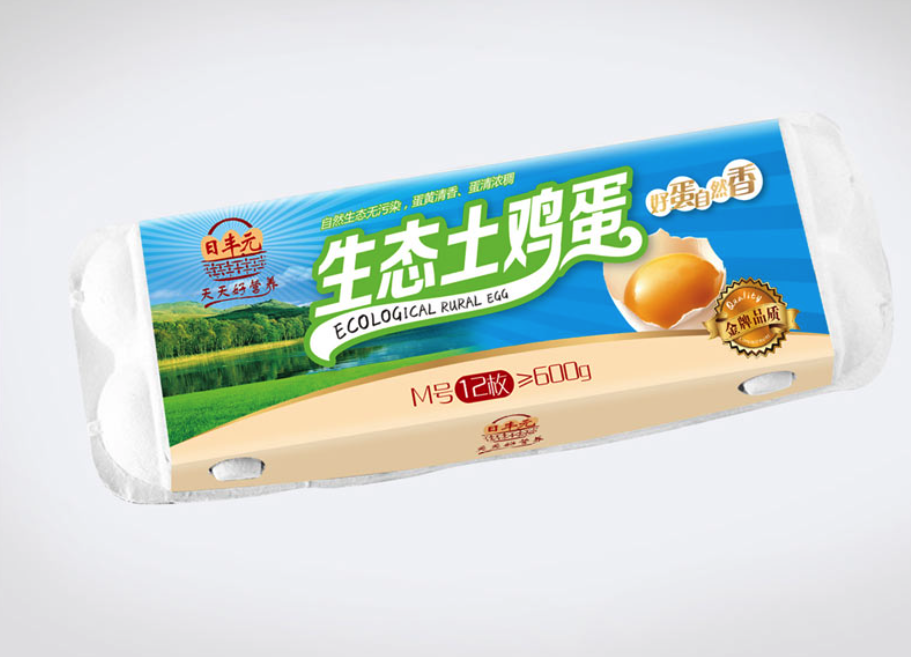
Premium Eco-Friendly Free-Range Chicken Egg Packaging Design Case Study
导语:本案例分享高档生态土鸡蛋包装设计,以”自然、健康、可信”为核心理念,通过视觉设计传达产品的有机来源与优质品质。设计注重环保材料与可持续理念,为目标消费群体提供兼具美感与功能性的包装解决方案。

我国已成为全球第一大鸡蛋生产国,2011 年鸡蛋人均占有量为18kg,远高于全球平均的9.3kg,仅次于日本19.4kg,居世界第二。
我国鸡蛋产量基本用于国内消费,极小部分用于出口,每年鲜蛋净出口量不足产量的0.3%, 因此,我国鸡蛋的消费量基本与当年鸡蛋产量相当 。
由于人口刚性增长等因素,从2000—2010年中国禽蛋消费量变化来看,鸡蛋需求一直保持稳中有升的增长趋势,从2204万吨增加到2827万吨,年均复合增长率为2.52%。
对于未来鸡蛋消费的增长点,预计主要在于农村人均消费稳步提高以及城镇化促使农村人口转入城镇提升鸡蛋消费总量。
我国农村人均鸡蛋消费量虽已过了高速增长期,但仍有提升空间,参考全国人均鸡蛋消费量增长历史,预计未来农村鸡蛋消费量年均增长将在2.0%附近,此外,未来伴随我国城镇化率进一步提升,越来越多的农村人口转入城市,饮食结构也会随之改变,这部分人口迁移将使我国鸡蛋消费总量出现一定程度的上升。
假定2020年我国城镇化率将达到60%,可测算2013-2015 年我国鸡蛋总消费量将年均增长1.6%左右。
设计说明
一、设计理念
本包装设计案例聚焦高档生态土鸡蛋,针对注重健康与环保的消费群体。设计理念以”自然、健康、可信”为核心,通过视觉叙事强调产品的有机来源与优质品质。
二、视觉风格
自然环保美学
色彩体系:大地色系(棕色、绿色、米色)结合纯净白色,传达自然有机特质
字体选择:清晰易读的无衬线字体,搭配手写或有机风格的装饰字体
图像元素:高品质的自由放养鸡群自然环境摄影,强调动物福利与可持续养殖
材料体现:突出可回收与可降解包装材料,通过纹理与材质暗示传达
三、包装结构设计
1. 初级包装(蛋盒)
结构设计:安全易开的蛋盒,确保运输过程中鸡蛋完好
视觉元素:清晰的产品信息、认证标志(有机、自由放养)、养殖场信息
功能特性:通风孔保持新鲜度,坚固结构防止破损
2. 次级包装(外盒)
品牌叙事:讲述养殖场的可持续实践与动物福利承诺
教育内容:自由放养鸡蛋的好处与如何识别优质鸡蛋
零售优化:吸引人的货架展示,与传统鸡蛋产品明确区分
四、设计元素
1. 标识与品牌形象
标识设计:有机形状与清晰字体的结合,强调自然来源
色彩编码:不同鸡蛋类型使用不同颜色(标准、有机、富含Omega-3)
认证展示:有机与自由放养认证标志的显著位置
2. 信息层级
主要信息:产品名称与核心优势(”高档自由放养鸡蛋”)
次要信息:养殖场信息与生产方式
辅助信息:营养成分与使用建议
3. 可持续性信息
材料透明度:明确标示可回收/可降解材料
环保承诺:养殖场可持续实践的信息
消费者教育:正确处置与回收包装的建议
五、市场定位
目标消费群体
注重健康的个人与家庭
环保意识强的消费者
愿意为品质支付溢价的高端食品购买者
关注动物福利的消费者
竞争差异化
强调可追溯性与养殖场透明度
突出可持续养殖实践
聚焦优质品质而非低价竞争
通过品牌叙事建立情感连接
六、设计实施
生产考量
材料选择:食品级安全、可回收材料,保持产品新鲜度
印刷工艺:高品质印刷,准确呈现自然色彩
成本优化:平衡高端外观与生产效率
零售环境适应
货架冲击力:在超市与专卖店环境中都能突出的设计
规格变化:不同数量(6、12、18枚)的包装选择
季节适应:节假日或特殊场合的限定版设计潜力
设计:上海翼起品牌设计有限公司
English Version
**Design Description** **I. Design Philosophy** This packaging design case study focuses on premium eco-friendly free-range chicken eggs, targeting health-conscious consumers who value both product quality and environmental sustainability. The design philosophy centers on “natural, healthy, and trustworthy,” emphasizing the product’s organic origins and superior quality through visual storytelling. **II. Visual Style** **Natural and Eco-Friendly Aesthetic** – Color palette: Earthy tones (browns, greens, beiges) combined with clean whites, conveying natural and organic qualities – Typography: Clean, modern sans-serif fonts for readability, paired with hand-drawn or organic-inspired script fonts for a personal touch – Imagery: High-quality photography of free-range chickens in natural environments, emphasizing animal welfare and sustainable farming practices – Materials: Emphasis on recyclable and biodegradable packaging materials, visually represented through texture and material cues **III. Packaging Structure Design** **1. Primary Packaging (Egg Carton)** – Structural design: Secure yet easy-to-open carton that protects eggs during transportation – Visual elements: Clear product information, certification logos (organic, free-range), and farm origin details – Functional features: Ventilation holes for freshness, sturdy construction to prevent breakage **2. Secondary Packaging (Outer Box)** – Brand storytelling: Narrative about the farm’s sustainable practices and commitment to animal welfare – Educational content: Information about the benefits of free-range eggs and how to identify quality eggs – Retail-ready design: Attractive shelf presence with clear differentiation from conventional egg products **IV. Design Elements** **1. Logo and Brand Identity** – Logo design: Combines organic shapes with clean typography, emphasizing natural origins – Color coding: Different colors for different egg types (standard, organic, omega-3 enriched) – Certification display: Prominent placement of organic and free-range certification marks **2. Information Hierarchy** – Primary: Product name and key benefit (“Premium Free-Range Eggs”) – Secondary: Farm information and production methods – Tertiary: Nutritional information and usage suggestions **3. Sustainability Messaging** – Material transparency: Clear indication of recyclable/biodegradable materials – Environmental commitment: Information about the farm’s sustainable practices – Consumer education: Tips for proper disposal and recycling of packaging **V. Market Positioning** **Target Consumer Profile** – Health-conscious individuals and families – Environmentally aware consumers – Premium food purchasers willing to pay for quality – Consumers concerned about animal welfare **Competitive Differentiation** – Emphasizes traceability and farm transparency – Highlights sustainable farming practices – Focuses on premium quality rather than low price – Builds emotional connection through brand storytelling **VI. Design Implementation** **Production Considerations** – Material selection: Food-safe, recyclable materials that maintain product freshness – Printing techniques: High-quality printing that accurately represents natural colors – Cost optimization: Balancing premium appearance with production efficiency **Retail Environment Adaptation** – Shelf impact: Design that stands out in both supermarket and specialty store environments – Size variations: Packaging options for different quantities (6, 12, 18 eggs) – Seasonal adaptations: Potential for limited edition designs for holidays or special occasions **Design: Shanghai 17vis Brand Design Co., Ltd.**

为创作者 17vis 守护知识产权,转载必须保留完整出处信息 (侵权必究)
© 2026 17vis.com All Rights Reserved.