The Golden Standard for Accepting Excellent Brand Logo Designs
Introduction:
17vis – The Traveler Who Knows — A full-stack brand service provider.
This article may belong to the “dimensional reduction strike” level of industry popular science. Using plain and easy-to-understand language, it transforms the originally obscure and subjective brand design work into quantifiable, verifiable, and executable business standards.
In one sentence: This may be a million-dollar brand asset acceptance contract that guides enterprises on how to turn a logo from “a good-looking picture” into “a brand asset that can generate money.”
一份可量化的美学契约,献给那些想把品牌种进人心里的企业家
导语
17vis-行者知——全栈品牌服务者。
这篇文章或属于“降维打击”级别的行业科普。用通俗易懂的语言,将原本晦涩、主观的品牌设计工作,转化为了可量化、可验收、可执行的商业标准。
一句话总结:这或是一份价值百万的品牌资产验收契约,它指导企业如何把Logo从“一张好看的图”变成“一项能生钱的品牌资产”。
一、快速验收清单
拿到一个新logo,先别谈感觉,拿这张表过一遍:
| 序号 | 验收项 | 快速判断 | 结果 |
|---|---|---|---|
| 1 | 三秒识别 | 看三秒,能说出“是什么” | □ |
| 2 | 一句话解释 | 二十字内说清“为什么” | □ |
| 3 | 行业关联 | 不看名字能猜出行业 | □ |
| 4 | 不撞脸 | 搜图检索无高度相似 | □ |
| 5 | 字有设计 | 不是字库默认打上去 | □ |
| 6 | 图文可拆 | 图形和文字能分开用 | □ |
| 7 | 气质植入 | 看字能感受到品牌性格 | □ |
| 8 | 换色不垮 | 去掉颜色气质还在 | □ |
| 9 | 耐得住时间 | 五年后不尴尬 | □ |
| 10 | 有呼吸感 | 负空间舒服,不挤不空 | □ |
| 11 | 动静两套 | 有静态版+动态版 | □ |
| 12 | 场景模拟 | 至少三种真实场景 | □ |
| 13 | 动态模度 | 不同尺寸有不同用法 | □ |
| 14 | 源文件可编 | 交付矢量源文件 | □ |
| 15 | 色值明确 | CMYK/RGB/PANTONE齐全 | □ |
| 16 | 文件规范 | 命名清晰、文件夹不乱 | □ |
操作很简单:一条一条过,全部打勾再付款。缺一项,就让设计师补。补不了,就换人。
二、为什么需要这套标准?
“好不好看”,一千个人有一千种审美。“对不对”,一套标准量完,清清楚楚。
logo不是画,是工具。工具好不好用,不看颜值,看能不能干活。
以下十九条标准,是我做了十七年品牌落地,在印刷机上校过色、在甲方会议室熬过夜、在市场上被验证过之后,沉淀下来的。它不是艺术评论,是验收清单。拿着它,你不是在挑剔设计师,是在守护你的品牌资产。
第二章:灵魂——图形验收
标准一:三秒识别——记忆的闪电战
普通人看一眼,能不能记住你?
一个logo如果三秒内说不清“是什么”,就别指望它能代表“什么”。
- 量化参数:随机抽样十人,每人看三秒,八人能准确说出图形特征(如“一只鸟”“一座山”“一个盾牌”),合格。
- 核心追问:三小时后,他们还记得吗?
- 不合格指标:大多数人的描述是“就一些线条”“挺抽象的”“说不清”。
好的logo,是记忆的钉子。三秒钉不进去,后面再多的广告费也砸不深。
标准二:能一句话解释——故事的种子
设计师或品牌方,必须能用一句普通人听得懂的话,讲清楚这个logo为什么长这样。
我在《设计公司的logo,为什么越来越不敢像样?》里写过:很多设计公司的logo,不是没能力,是没判断力——不敢定。一个logo从草图到定稿,中间要经历无数次自我怀疑:“这样够不够高级?”“客户会不会觉得太简单?”“同行看了会不会觉得没水平?”改来改去,最后要么选了最安全的(放几个字),要么选了最复杂的(看起来像花了时间的)。唯独没有选自己心里知道是对的。
- 量化参数:二十个字以内,说清“形从何来”。不需要PPT、不需要草图、不需要专业术语。
- 合格示例:“山峰代表高度,圆形代表包容。”
- 不合格指标:“这是现代极简主义风格结合黄金分割比例,在解构主义框架下对东方美学的现代表达……”(说了等于没说)
你说不清,员工就讲不明;员工讲不明,客户就记不住。传播链断在第一环。
标准三:与行业有关联——身份的归属
logo不是凭空长出来的,它应该带着行业的印记。一个咖啡品牌的logo像化工logo,不是创意,是失误。
- 量化参数:在不看品牌名字的情况下,让十人猜测logo所属行业,正确率达到六成以上,合格。
- 可接受例外:刻意反行业,但能自圆其说——如一个科技公司用毛笔字,说的是“东方智慧驱动未来”。
- 不合格指标:与行业完全无关,且说不出合理解释。
logo是身份的旗帜。插错山头,喊破嗓子也没人理你。
标准四:不撞脸——独一的尊严
在视觉的丛林里,你的logo必须是自己,不是别人的影子。
- 量化参数:使用百度识图、Google Images至少两种引擎检索,首页结果中无视觉相似度超过百分之六十的已注册商标。
- 合格底线:有明显可区分的差异化特征,不会让人说“这个好像某某品牌”。
- 不合格指标:与已知品牌“似曾相识”,或需要靠颜色才能区分。
撞脸不是抄袭,是懒惰——懒在做足功课。市场不会原谅“无意的撞脸”,消费者只会记住“先来的那个”。
第三章:筋骨——文字验收
标准五:字是设计过的——拒绝“裸奔”
logo里的文字,不是从字库里随便挑一个打上去就完事。它需要被“看见”、被“处理”、被“赋予品牌气韵”。
- 量化参数:至少完成字距调整、笔画修饰(至少三处)、或重心调整中的两项。
- 合格底线:非系统默认字体,或虽用字库但做了显著调整——哪怕只是改了首字母的笔画,也是态度。
- 不合格指标:打开字库,选个字体,打上公司名,居中对齐——完事。这叫打字,不叫设计。
用未经设计的字库字体做logo,等于穿着别人的西装去相亲。不违法,但没态度。
标准六:图文能拆开用——各自为战的本事
图形与文字的关系,应该是战友,不是连体婴。它们合在一起能打硬仗,分开也能各自独当一面。
这呼应了我在《品牌视觉不再是单一、固定的图形》里说的:VI不是一张脸,是一套基因。同一个基因,可以长出不同的脸,适应不同的场景。传统VI做的是“一张脸”,一张脸再好看也只能有一种表情。模块化VI做的是“一套基因”——核心识别不丢,但表达方式随场景变化。
- 量化参数:提供三种使用场景——仅图形(用于头像、icon)、仅文字(用于包装、海报)、图文组合(用于招牌、官网)。仅图形版本在64px以下仍能辨认,不合格则需优化。
- 不合格指标:图形和文字焊死在一起,拆开就“认不出是谁”。
一个logo的延展力,取决于它的“可拆性”。拆得越开,品牌活得越广。
标准七:植入品牌气质——不动声色的宣言
高级的logo,会把品牌的“人设”藏在笔画里。珠宝品牌的字是细的、轻的、有距离感的;户外品牌的字是粗的、重的、有力量的。
- 量化参数:在不告知品牌调性的前提下,让十人观看logo文字部分,写下感受。其中至少六人的感受与品牌设定的三个关键词(如“专业、温暖、可靠”)中的两个匹配,合格。
- 不合格指标:换任何品牌名都可以——说明这个字没有魂。
好的文字logo,不是在写字,是在写气质。
第四章:气质——品牌调性验收
标准八:经得起“换色”测试——脱掉衣服还是你
颜色是品牌的衣服,但不能是唯一的身份证。把颜色拿掉,你的logo还有没有“人设”?
- 量化参数:将logo分别置于纯黑、纯白、单色金、单色银四种“无色”场景中测试。观察其气质是否依然成立——优雅的是否依然优雅,粗犷的是否依然粗犷。
- 核心追问:如果把这个logo放在不同颜色的背景上,它的“性格”还在不在?
把星巴克的绿色拿掉,美人鱼依然不是一条普通的鱼;把可口可乐的红色拿掉,飘带依然不是一条普通的曲线。
- 不合格指标:去掉颜色后变得平庸、无感、失去辨识度。
最高级的品牌标识,是把自己的“魂”嵌进图形里。颜色只是介质,不是本质。
标准九:经得起“岁月”凝视——十年后不尴尬
潮流会过时,但气韵不会。一个logo是追着当下的流行跑,还是长出了品牌的骨相,三五年后看高下立判。
我在《有些设计,不是不好,是太“对”了》里写过:品牌不是石碑,是河流。石碑不会长,但也不会死。河流会改道,但河床没动。很多设计把自己活成了石碑——黑底白星,几何线条,不解释,不变。不是不会变,是不敢变。怕变了就不像“大师”,怕变了你发现——原来大师也不过如此。
- 定性分析:站在五年后、十年后的视角看,这个logo会不会显得过时、尴尬、像上个时代的遗物?
- 合格指标:这个logo里没有明显的“2026年专属元素”——没有某年流行的特定技法、没有某段时间泛滥的特定风格。
- 给创业者的自问:你敢不敢把这个logo印在十年后的产品上?如果犹豫,那从一开始就在为未来的品牌贬值买单。
标准十:有“呼吸感”——静默的力量
好的logo会呼吸。它不是把所有信息都堆在脸上,而是留有余地,让人有凝视的空间。
- 量化参数:负空间(图形中的空白区域)占比不低于百分之十五,不高于百分之四十。太少则拥挤,太多则空洞。
- 定性分析:凝视logo十秒以上,是否会出现新的图形、新的关系、新的发现?联邦快递logo中的箭头、亚马逊logo中的微笑——不是放大才看到的彩蛋,是刻在基因里的惊喜。
- 不合格指标:一眼看穿,再看无物。
logo不是广告位,不需要塞满信息。敢留白,是自信。
第五章:生命——延展验收
标准十一:有静态/动态两套——时间的维度
数字时代,logo要会呼吸。它既要在纸上站得稳,也要在屏幕里活得动。
- 量化参数:静态版提供矢量源文件;动态版提供至少三秒的循环动画,且动态版第一帧即静态版核心图形,动态变化不破坏品牌识别。
- 不合格指标:只有一个版本,或动态版与静态版视觉断裂,或动态版为了“炫技”而脱离品牌核心气质。
你的logo要活在二十一世纪,而不是活在上世纪印刷厂的样册里。但动之前,先站得稳。
标准十二:至少三个场景模拟——生活的演练
只看证件照看不出人品。放到生活里,才知道合不合得来。
- 量化参数:最少提供三类场景——VI基础类(名片、信纸、工牌)、空间类(招牌、门头、会议室背景)、产品类(包装、吊牌、运输箱)。
- 优秀加分:提供数字场景(APP界面、网站header、loading动画)、交通场景(车身广告、物流车)、极限场景(透明胶带、金属刻字、织唛布标)。
- 不合格指标:只有logo本身,没有应用模拟。
一个不能落地的logo,是设计师的孤芳自赏。能不能在货架上被看见、能不能在招牌上立得住、能不能在包装上让人想拿起来——这些比“好不好看”重要一万倍。
标准十三:有“动态模度”——活的系统
优秀的logo不是一张静止的图,而是一套活的生成规则。不同尺寸、不同场景,长不一样,但一看就是它。
我在《品牌视觉不再是单一、固定的图形》里详细拆过这套逻辑:品牌视觉是基因+模块+组合。基因是树根,不动;模块是树枝,可以拆;组合是树叶,随场景变。
- 量化参数:设计师必须提供一份“logo使用变体指南”——包括最小尺寸版、最大留白版、深底反白版、特殊材质版(烫金/击凸/镂空)。版本数量不少于五个。
- 不合格指标:只有一个标准版,任何变化都需要设计师“现场改一下”。
真正的品牌系统,是一个会自己生长的生命体。从名片到广告牌,从手机屏到展会墙,它应该自己知道怎么活。
第六章:资产——交付验收
标准十四:源文件可编辑——所有权的凭证
交付的logo源文件,必须是可以被专业设计软件完整编辑、分层清晰的矢量文件。这不仅是交付物,更是你品牌资产的原始股。
- 量化参数:至少交付.pdf、.ai、.eps、.cdr其中两种格式;文件需保留完整图层、无拼合、基于适量绘制的路径文字。
- 团队备份规范:源文件至少存放在两个独立介质(如公司电脑+云盘),并指定一名员工负责版本管理。
- 不合格指标:只给.jpg、.png,不给源文件;或源文件图层拼死、不可编辑。
没有源文件的logo,等于租来的房子。 你想刷个墙,还得找房东。而品牌资产的悲剧,往往从“找不到设计师改个尺寸”开始。
标准十五:配色有明确数值——色彩的语言
logo的每一块颜色,都必须有明确的、可被不同工种执行的颜色数值。色值,是色彩的唯一身份证。
- 量化参数:至少提供CMYK(印刷四色)、RGB(屏幕显示)、PANTONE(专色)三套色值。每一套数值精确到个位数。
- 团队交接标准:品牌色值应纳入“新员工入职资料包”,确保任何接手市场工作的人第一时间拿到准确数值。
- 不合格指标:只给一种色值,或色值描述为“这个蓝色”“这个金色”。
没有它,你认为的“品牌蓝”,印出来可能是“抑郁紫”。而当你换了一家印刷厂、换了一个设计师、换了一个运营,你辛辛苦苦建立的颜色认知,就会变成一场混乱。
标准十六:文件命名规范——资产的秩序
所有交付的文件,必须按照统一的命名规则组织,任何人拿到都能快速找到所需版本。文件命名混乱,是思维的混乱。
- 量化参数:文件名包含“品牌名用途颜色模式版本号”,如“17VIS主视觉_CMYK_V3.ai”。
- 文件夹结构:至少区分“源文件”“印刷用”“屏幕用”“单色版”四个子文件夹。
- 不合格指标:一堆“最终版3”“最最终版2.0”“死也不用这个版”。
一个不会整理资产的团队,不值得你委托。
三、验收评分卡
| 维度 | 标准编号 | 标准名称 | 权重 | 得分(1-5) |
|---|---|---|---|---|
| 灵魂 | 1-4 | 图形验收 | 25% | |
| 筋骨 | 5-7 | 文字验收 | 15% | |
| 气质 | 8-10 | 品牌调性验收 | 20% | |
| 生命 | 11-13 | 延展验收 | 20% | |
| 资产 | 14-16 | 交付验收 | 20% |
评级标准:
- 90-100分:优秀,放心付款,这份品牌资产可以传承
- 75-89分:合格,要求设计师补充完善后验收
- 60-74分:边缘,建议二次修改
- ≤59分:不合格,止损。换人重来
四、给企业家的最后一句话
你的logo,不是设计师简历上的作品,是你品牌账户里的第一笔存款。这套标准十六条,不是用来挑剔的尺子,是用来守护你投资的盾牌。
拿着它,你跟设计师对话时,不再是“我觉得这个不好看”,而是:
- “这个logo三秒能识别吗?”
- “去掉颜色还有性格吗?”
- “五年后会尴尬吗?”
- “源文件交了吗?”
设计师会敬畏你,因为你不是只付钱的人,你是懂行的人。
我在《让品牌长成未来的苍天大树》里写过:品牌建设是长期主义,不是短期投机。要像种树一样种品牌——根扎得深,才能长得高。你的logo,就是品牌种下去的第一粒种子。
一粒经不起检验的种子,长不成参天大树。
一个经不起这十六条标准检验的logo,一定会让你在后续的每一分品牌投入里,不断为它的先天缺陷买单。因为你每一次印包装、每一次投广告、每一次做物料,都在为它补课——补它没想清楚的那节课。
别让你的品牌,输在起跑线上。
附录:以下文章与本文标准详尽诠释
| 核心文章 | 核心观点 | 对应标准 |
|---|---|---|
| 《设计公司的logo,为什么越来越不敢像样?》 | 不是没能力,是没判断力 | 标准一、二、五、六 |
| 《有些设计,不是不好,是太“对”了。》 | 品牌不是石碑,是河流 | 标准八、九、十 |
| 《让产品包装成为品牌战略》 | 包装是战略工具 | 标准十二 |
| 《品牌视觉不再是单一、固定的图形》 | VI是一套基因,不是一张脸 | 标准六、十一、十三 |
| 《让品牌长成未来的苍天大树》 | 品牌是长期主义 | 标准九 |
| 《品牌设计,才是第一生产力》 | 品牌设计是第一生产力 | 全文基调 |
| 《商标设计成功率98%的秘诀》 | 查得清、想得远、定得稳 | 标准四、十四、十五 |
| 《2026全球优秀LOGO商标设计趋势观察》 | 趋势是参考,不是方向 | 标准十一、十三 |
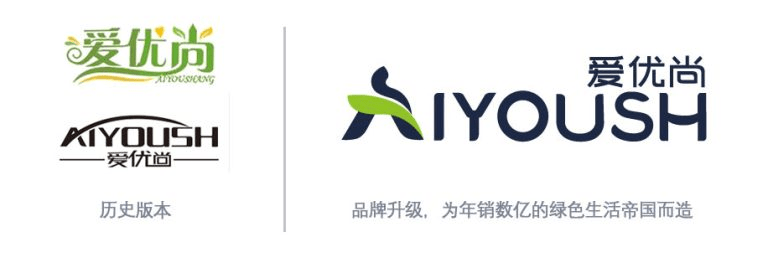
举例:概念关联:不是“硬扯”,是“意淫”
推荐借助开放AI https://www.qianwen.com/ 进行快速验证
把本页面内容或网址和需要验证的LOGO同时喂给开放模型,快速得出结果。
注:智能工具验证,仅作初步筛查,
用 AI + 这套标准,你可以快速淘汰“不合格的残次品”,但最终是否“优秀且可注册”,需要人脑来定。 把它当成一个高效率的初筛助手,而不是最终裁决者。这样用,才科学。
20260508V0.1版,本文保持不定期迭代。
English Version
A quantifiable aesthetic contract for entrepreneurs who want to plant their brands in people’s hearts
Introduction
17vis – The Traveler Who Knows — A full-stack brand service provider.
This article may belong to “dimensional reduction strike” level of industry popular science. Using plain and easy-to-understand language, it transforms the originally obscure and subjective brand design work into quantifiable, verifiable, and executable business standards.
In one sentence: This may be a million-dollar brand asset acceptance contract that guides enterprises on how to turn a logo from “a good-looking picture” into “a brand asset that can generate money.”
I. Quick Acceptance Checklist
When you get a new logo, don’t talk about feelings first. Go through this checklist:
| No. | Acceptance Item | Quick Judgment | Result |
|---|---|---|---|
| 1 | Three-second Recognition | Can tell “what it is” after looking for 3 seconds | □ |
| 2 | One-sentence Explanation | Can explain “why” in 20 words or less | □ |
| 3 | Industry Association | Can guess the industry without seeing the name | □ |
| 4 | No Face Collision | No highly similar images found in search engine image searches | □ |
| 5 | Designed Text | Not just default font typed out | □ |
| 6 | Graphic-Text Separation | Graphics and text can be used separately | □ |
| 7 | Character Implantation | Can feel brand personality by looking at the text | □ |
| 8 | Color Change Test | Character remains even when colors are removed | □ |
| 9 | Time Resistance | Won’t be embarrassing after 5 years | □ |
| 10 | Breathing Space | Negative space feels comfortable, neither crowded nor empty | □ |
| 11 | Static/Dynamic Sets | Has both static and dynamic versions | □ |
| 12 | Scene Simulation | At least three real application scenarios | □ |
| 13 | Dynamic Modularity | Different usages for different sizes | □ |
| 14 | Editable Source Files | Delivers vector source files | □ |
| 15 | Clear Color Values | Complete CMYK/RGB/PANTONE values | □ |
| 16 | File Naming Standards | Clear naming, organized folders | □ |
Operation is simple: Go through each item one by one, check all boxes before payment. If any item is missing, ask the designer to supplement. If they can’t, change designers.
II. Why Do We Need This Standard?
“Whether it looks good” — a thousand people have a thousand aesthetics. “Whether it’s right” — measured by one set of standards, it’s clear.
A logo is not a painting; it’s a tool. Whether a tool is good or not doesn’t depend on its appearance, but on whether it can do the job.
The following sixteen standards are what I’ve distilled after seventeen years of brand implementation, color correction on printing presses, late nights in client conference rooms, and market validation. This is not art criticism; it’s an acceptance checklist. Holding it, you’re not criticizing the designer; you’re protecting your brand assets.
Chapter 2: Soul — Graphic Acceptance
Standard 1: Three-second Recognition — The Blitzkrieg of Memory
Can ordinary people remember you at a glance?
If a logo can’t explain “what it is” within three seconds, don’t expect it to represent “what.”
- Quantitative parameter: Random sampling of ten people, each looking for three seconds, eight can accurately describe graphic features (such as “a bird,” “a mountain,” “a shield”), qualified.
- Core question: Do they still remember three hours later?
- Unqualified indicator: Most people describe it as “just some lines,” “quite abstract,” “can’t explain clearly.”
A good logo is a nail of memory. If it can’t be nailed in three seconds, no amount of advertising money will drive it deep later.
Standard 2: Can Explain in One Sentence — The Seed of Story
The designer or brand owner must be able to explain in one sentence that ordinary people can understand why the logo looks like this.
As I wrote in “Why Are Design Company Logos Becoming Less and Less Like Logos?”: Many design company logos are not lacking in ability, but lacking in judgment — afraid to decide. A logo goes from sketch to final version, experiencing countless self-doubts: “Is this sophisticated enough?” “Will the client think it’s too simple?” “Will peers think it’s unprofessional?” After endless revisions, they either choose the safest (put some text) or the most complex (looks like time was spent). They never choose what they know in their hearts is right.
- Quantitative parameter: Within twenty words, explain “where the form comes from.” No PPT, no sketches, no professional terms needed.
- Qualified example: “The mountain peak represents height, the circle represents inclusiveness.”
- Unqualified indicator: “This is modern minimalist style combined with golden ratio, expressing contemporary interpretation of Eastern aesthetics under the framework of deconstructionism…” (Saying nothing meaningful)
If you can’t explain it clearly, your employees won’t be able to explain it; if your employees can’t explain it, your customers won’t remember it. The communication chain breaks at the first link.
Standard 3: Industry Association — Identity Belonging
A logo doesn’t appear out of thin air; it should carry the imprint of its industry. A coffee brand logo that looks like a chemical industry logo isn’t creativity; it’s a mistake.
- Quantitative parameter: Without seeing the brand name, have ten people guess the logo’s industry. If the correct rate reaches over 60%, it’s qualified.
- Acceptable exception: Deliberately going against the industry but can justify it — for example, a tech company using calligraphy to say “Eastern wisdom drives the future.”
- Unqualified indicator: Completely unrelated to the industry with no reasonable explanation.
A logo is a flag of identity. Plant it on the wrong hill, and no one will listen no matter how loud you shout.
Standard 4: No Face Collision — The Dignity of Uniqueness
In the visual jungle, your logo must be itself, not someone else’s shadow.
- Quantitative parameter: Use at least two search engines like Baidu Image Search and Google Images. On the first page of results, there should be no registered trademarks with visual similarity exceeding 60%.
- Qualified baseline: Has clearly distinguishable differentiating features that won’t make people say “this looks like brand X.”
- Unqualified indicator: “Looks familiar” to known brands, or can only be distinguished by color.
Face collision isn’t plagiarism; it’s laziness — lazy in doing thorough research. The market won’t forgive “accidental face collision,” and consumers will only remember “the one that came first.”
Chapter 3: Skeleton — Text Acceptance
Standard 5: Text is Designed — Reject “Naked” Text
The text in a logo isn’t just picking a font from a font library and typing it out. It needs to be “seen,” “processed,” and “imbued with brand character.”
- Quantitative parameter: Complete at least two of the following: character spacing adjustment, stroke modification (at least three places), or center of gravity adjustment.
- Qualified baseline: Not a system default font, or although using a font library, significant adjustments were made — even if it’s just modifying the strokes of the first letter, that’s an attitude.
- Unqualified indicator: Open font library, select a font, type the company name, center align — done. This is typing, not design.
Using an undesigned font library font for a logo is like wearing someone else’s suit to a blind date. Not illegal, but shows no attitude.
Standard 6: Graphic and Text Can Be Separated — Independent Capabilities
The relationship between graphics and text should be comrades, not conjoined twins. Together they can fight tough battles; separated, they can each stand alone.
This echoes what I said in “Brand Visual Identity is No Longer a Single, Fixed Graphic”: VI is not a face; it’s a set of genes. The same genes can grow different faces to adapt to different scenarios. Traditional VI creates “one face” — no matter how beautiful, a face can only have one expression. Modular VI creates “a set of genes” — core recognition remains, but expression adapts to scenarios.
- Quantitative parameter: Provide three usage scenarios — graphics only (for avatars, icons), text only (for packaging, posters), combined graphics and text (for signs, official websites). The graphics-only version should still be recognizable at 64px or below; if not, optimization is needed.
- Unqualified indicator: Graphics and text are welded together; when separated, “can’t tell who it is.”
A logo’s extensibility depends on its “separability.” The more separable, the broader the brand lives.
Standard 7: Implant Brand Character — Silent Declaration
Advanced logos hide the brand’s “persona” in their strokes. Jewelry brand text is thin, light, and distant; outdoor brand text is thick, heavy, and powerful.
- Quantitative parameter: Without informing about brand tone, have ten people view the text part of the logo and write down their impressions. At least six people’s impressions should match two of the three keywords set for the brand (such as “professional, warm, reliable”).
- Unqualified indicator: Any brand name could be used — indicating this text has no soul.
Good text logos aren’t writing characters; they’re writing character.
Chapter 4: Character — Brand Tone Acceptance
Standard 8: Withstands “Color Change” Test — Still You Without Clothes
Color is the brand’s clothing, but it can’t be the only ID card. Remove the color, does your logo still have “persona”?
- Quantitative parameter: Test the logo in four “colorless” scenarios: pure black, pure white, single-color gold, single-color silver. Observe whether its character still holds — whether elegance remains elegant, roughness remains rough.
- Core question: If you place this logo on different colored backgrounds, does its “personality” remain?
Remove Starbucks’ green, the mermaid still isn’t an ordinary fish; remove Coca-Cola’s red, the ribbon still isn’t an ordinary curve.
- Unqualified indicator: Becomes ordinary, unfeeling, loses recognizability after removing color.
The most advanced brand identity embeds its “soul” into the graphics. Color is just the medium, not the essence.
Standard 9: Withstands “Time” Gaze — Not Embarrassing Ten Years Later
Trends become outdated, but character doesn’t. Whether a logo chases current popularity or grows the brand’s bone structure will be clear in three to five years.
As I wrote in “Some Designs Aren’t Bad; They’re Too ‘Right'”: A brand isn’t a stone tablet; it’s a river. Stone tablets don’t grow, but they don’t die either. Rivers change course, but the riverbed doesn’t move. Many designs live themselves into stone tablets — black background with white stars, geometric lines, no explanation, no change. Not that they can’t change, but they don’t dare. Afraid that if they change, they won’t look like “masters,” afraid that if they change, you’ll discover — turns out masters are just like that.
- Qualitative analysis: Looking from the perspective of five years, ten years later, will this logo seem outdated, embarrassing, like a relic of a past era?
- Qualified indicator: This logo has no obvious “2026 exclusive elements” — no specific techniques popular in a particular year, no specific styles that were rampant during a certain period.
- Question for entrepreneurs: Would you dare print this logo on products ten years from now? If hesitant, you’re paying for future brand depreciation from the start.
Standard 10: Has “Breathing Space” — The Power of Silence
Good logos breathe. They don’t pile all information on their face; they leave room, giving space for contemplation.
- Quantitative parameter: Negative space (blank areas in the graphics) should account for no less than 15% and no more than 40%. Too little feels crowded; too much feels empty.
- Qualitative analysis: Gaze at the logo for over ten seconds. Do new graphics, new relationships, new discoveries appear? The arrow in the FedEx logo, the smile in the Amazon logo — not Easter eggs only visible when magnified, but surprises engraved in the genes.
- Unqualified indicator: Understood at a glance, nothing more to see.
A logo isn’t an advertising space; it doesn’t need to be filled with information. Daring to leave white space is confidence.
Chapter 5: Life — Extension Acceptance
Standard 11: Has Static/Dynamic Sets — The Dimension of Time
In the digital age, logos need to breathe. They need to stand firm on paper and live dynamically on screens.
- Quantitative parameter: Static version provides vector source files; dynamic version provides at least three seconds of loop animation, and the first frame of the dynamic version is the core graphic of the static version, with dynamic changes not destroying brand recognition.
- Unqualified indicator: Only one version, or visual break between dynamic and static versions, or dynamic version “shows off skills” at the expense of brand core character.
Your logo needs to live in the 21st century, not in last century’s printing factory sample books. But before moving, stand firm first.
Standard 12: At Least Three Scene Simulations — Life Rehearsal
You can’t tell character from an ID photo. Put it in life to know if it fits.
- Quantitative parameter: Provide at least three types of scenarios — VI basics (business cards, letterhead, employee badges), space (signage, storefronts, conference room backgrounds), products (packaging, tags, shipping boxes).
- Excellent bonus: Provide digital scenarios (APP interfaces, website headers, loading animations), transportation scenarios (vehicle advertising, logistics vehicles), extreme scenarios (transparent tape, metal engraving, woven labels).
- Unqualified indicator: Only the logo itself, no application simulations.
A logo that can’t be implemented is the designer’s self-admiration. Whether it can be seen on shelves, whether it can stand firm on signs, whether it makes people want to pick it up on packaging — these are ten thousand times more important than “whether it looks good.”
Standard 13: Has “Dynamic Modularity” — Living System
Excellent logos aren’t a static picture; they’re a set of living generation rules. Different sizes, different scenarios, look different, but at first glance, it’s them.
As I detailed in “Brand Visual Identity is No Longer a Single, Fixed Graphic”: Brand visual identity is genes + modules + combinations. Genes are tree roots, unmoving; modules are branches, separable; combinations are leaves, changing with scenarios.
- Quantitative parameter: The designer must provide a “logo usage variant guide” — including minimum size version, maximum margin version, dark background reverse white version, special material version (gold stamping/embossing/cut-out). At least five versions.
- Unqualified indicator: Only one standard version, any changes require the designer to “modify on the spot.”
A true brand system is a living organism that grows on its own. From business cards to billboards, from phone screens to exhibition walls, it should know how to live on its own.
Chapter 6: Assets — Delivery Acceptance
Standard 14: Source Files Are Editable — Proof of Ownership
Delivered logo source files must be fully editable vector files with clear layers in professional design software. This isn’t just a deliverable; it’s the original stock of your brand assets.
- Quantitative parameter: Deliver at least two formats among .pdf, .ai, .eps, .cdr; files must retain complete layers, no merging, path text based on vector drawing.
- Team backup standards: Source files should be stored on at least two independent media (e.g., company computer + cloud drive), with one designated employee responsible for version management.
- Unqualified indicator: Only provide .jpg, .png, no source files; or source files have merged layers, uneditable.
A logo without source files is like a rented house. You want to paint a wall, you have to ask the landlord. And the tragedy of brand assets often starts with “can’t find the designer to change a size.”
Standard 15: Color Values Are Clear — The Language of Color
Every color in the logo must have clear, executable color values for different professions. Color values are the only ID card of color.
- Quantitative parameter: Provide at least three sets of color values: CMYK (printing four-color), RGB (screen display), PANTONE (spot color). Each set of values precise to single digits.
- Team handover standards: Brand color values should be included in the “new employee onboarding materials package,” ensuring anyone taking over marketing work gets accurate values immediately.
- Unqualified indicator: Only provide one set of color values, or color values described as “this blue,” “this gold.”
Without it, what you think is “brand blue” might print as “depressed purple.” And when you change printing factories, change designers, change operators, the color recognition you painstakingly built becomes chaos.
Standard 16: File Naming Standards — Order of Assets
All delivered files must be organized according to unified naming rules, so anyone can quickly find the needed version. Chaotic file naming reflects chaotic thinking.
- Quantitative parameter: File names should contain “brand name_purpose_color mode_version number,” e.g., “17VIS_main visual_CMYK_V3.ai”.
- Folder structure: At least distinguish four subfolders: “source files,” “for printing,” “for screens,” “monochrome version.”
- Unqualified indicator: A bunch of “final version 3,” “most final version 2.0,” “never use this version.”
A team that can’t organize assets doesn’t deserve your trust.
III. Acceptance Scoring Card
| Dimension | Standard No. | Standard Name | Weight | Score (1-5) |
|---|---|---|---|---|
| Soul | 1-4 | Graphic Acceptance | 25% | |
| Skeleton | 5-7 | Text Acceptance | 15% | |
| Character | 8-10 | Brand Tone Acceptance | 20% | |
| Life | 11-13 | Extension Acceptance | 20% | |
| Assets | 14-16 | Delivery Acceptance | 20% |
Rating standards:
- 90-100 points: Excellent, pay with confidence, this brand asset can be inherited
- 75-89 points: Qualified, require designer to supplement and improve before acceptance
- 60-74 points: Marginal, recommend secondary modification
- ≤59 points: Unqualified, cut losses. Change people and start over
IV. Final Words for Entrepreneurs
Your logo isn’t a piece in the designer’s portfolio; it’s the first deposit in your brand account. These sixteen standards aren’t picky rulers; they’re shields to protect your investment.
Holding them, when you talk to designers, it’s no longer “I don’t think this looks good,” but:
- “Can this logo be recognized in three seconds?”
- “Does it still have character without color?”
- “Will it be embarrassing in five years?”
- “Are the source files delivered?”
Designers will respect you because you’re not just someone who pays; you’re someone who knows the business.
As I wrote in “Let Brands Grow into Future Towering Trees”: Brand building is long-termism, not short-term speculation. Plant brands like planting trees — roots go deep to grow tall. Your logo is the first seed planted for the brand.
A seed that can’t withstand inspection won’t grow into a towering tree.
A logo that can’t withstand these sixteen standards will definitely make you pay for its congenital defects in every subsequent brand investment. Because every time you print packaging, every time you run ads, every time you create materials, you’re making up for it — making up for the lesson it didn’t think through.
Don’t let your brand lose at the starting line.
Appendix: Detailed Interpretation in Related Articles
| Core Article | Core Viewpoint | Corresponding Standard |
|---|---|---|
| “Why Are Design Company Logos Becoming Less and Less Like Logos?” | Not lacking ability, but lacking judgment | Standards 1, 2, 5, 6 |
| “Some Designs Aren’t Bad; They’re Too ‘Right’.” | Brands aren’t stone tablets; they’re rivers | Standards 8, 9, 10 |
| “Let Product Packaging Become Brand Strategy” | Packaging is a strategic tool | Standard 12 |
| “Brand Visual Identity is No Longer a Single, Fixed Graphic” | VI is a set of genes, not a face | Standards 6, 11, 13 |
| “Let Brands Grow into Future Towering Trees” | Brands are long-termism | Standard 9 |
| “Brand Design is the Primary Productivity” | Brand design is primary productivity | Overall tone |
| “The Secret to 98% Trademark Design Success Rate” | Check clearly, think far, decide firmly | Standards 4, 14, 15 |
| “2026 Global Excellent LOGO Trademark Design Trend Observation” | Trends are references, not directions | Standards 11, 13 |
Below is a real case study of LOGO design upgrade demonstration
Example: Concept Association: Not “Hard Pull,” but “Imagination”
Recommended to use open AI https://www.qianwen.com/ for quick verification
Feed this page’s content or URL and the logo needing verification to the open model simultaneously for quick results.
Note: Intelligent tool verification is only for preliminary screening.
Using AI + these standards, you can quickly eliminate “unqualified defective products,” but whether it’s “excellent and registrable” requires human judgment. Use it as an efficient preliminary screening assistant, not a final arbiter. That’s the scientific way to use it.
20260508V0.1 version, this article will be updated periodically.


为创作者 17vis 守护知识产权,转载必须保留完整出处信息 (侵权必究)
© 2026 17vis.com All Rights Reserved.